
Ask most people about Tanzania and their minds will head straight north. To the endless plains of the Serengeti, the vast bowl of the Ngorongoro Crater or Kilimanjaro rising majestically above the landscape. And rightly so — these are extraordinary places, and their reputations are well earned.
But travel south, and you'll discover a very different side of Tanzania.
The south is hotter, wilder and wonderfully untamed. The roads are dusty tracks, the distances are vast, and it's entirely possible to drive for hours without seeing another vehicle. It's a part of Africa that feels a little more remote, a little less travelled and all the better for it.
I've just returned from a week exploring this remarkable corner of the country, travelling from the energy and bustle of Dar es Salaam to the baobab-studded landscapes of Ruaha, before heading east to the lakes, rivers and winding channels of Nyerere, once the heart of the great Selous Game Reserve.
Along the way, I stayed at or visited five very different camps, each offering its own take on the southern safari experience. Some were beautifully polished, others refreshingly understated, and one was a true pioneer in a remote corner of Ruaha that few travellers have ever had the chance to explore.
It's a journey into a wilder, quieter side of Tanzania — and one that deserves far more attention.
The Journey
The journey north was wonderfully straightforward: a short hop from Cape Town to Johannesburg, followed by a three-and-a-half-hour flight to Dar es Salaam. We spent the night at the Four Points by Sheraton, close to the ocean and just the spot for a comfortable transit stop before the adventure ahead.
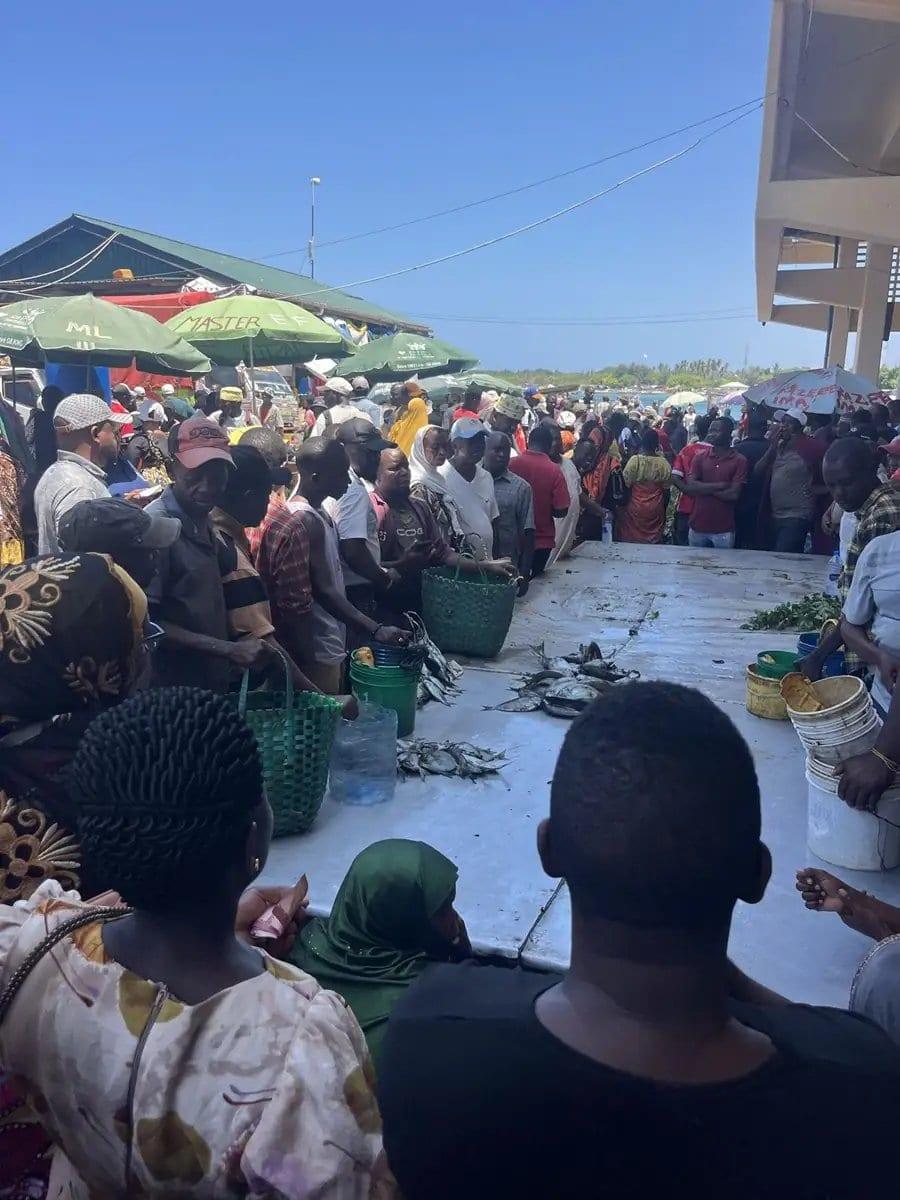
Dar es Salaam is hot, noisy and wonderfully alive. Cars, motorbikes, bicycles and pedestrians weave their way through the streets from every direction, with traffic lights seeming more like gentle suggestions than hard-and-fast rules. It's chaotic, colourful and captivating. We started our explorations at the fish market, where the morning's catch is auctioned off in a lively flurry of activity, before making our way through leafy Oyster Bay, past the vibrant Tingatinga art stalls and on to the Mwenge Carvers Market. Lunch was enjoyed overlooking the ocean, with a cold Serengeti lager in hand — a pretty perfect introduction to Tanzania.
Southern Ruaha: LABA Jongomero
The real adventure began with an Auric Air bush flight. A couple of hops in a small aircraft, a wonderful bird's-eye view of the changing landscape, and then we were touching down on the dusty red earth of Jongomero Airstrip in Ruaha's remote south-west. As we pulled into camp, the entire team was there to greet us with singing, dancing and the warmest of welcomes. If that's not a perfect way to arrive on safari, I'm not sure what is!
Ruaha takes its name from the Hehe word for 'river', and following the incorporation of the Usangu wetlands in 2008, the park now stretches across more than 20,000 km². It's one of Tanzania's largest national parks, yet remarkably, one of its least visited. Around 10,000 elephants roam this vast wilderness, and it's that extraordinary sense of space, remoteness and exclusivity that makes the southern circuit so special. It's also exactly why we love sending our guests here.
Set beneath a canopy of shady trees along a seasonal sand river, Jongomero is a wonderfully understated bush retreat. There are just eight spacious tented suites, alongside an exclusive-use Private Bush Manor. One of the real luxuries here is that every booking comes with its own private safari vehicle, whether you're travelling as a couple, a solo adventurer or a family of four. No sharing, no waiting around — just the freedom to explore at your own pace.
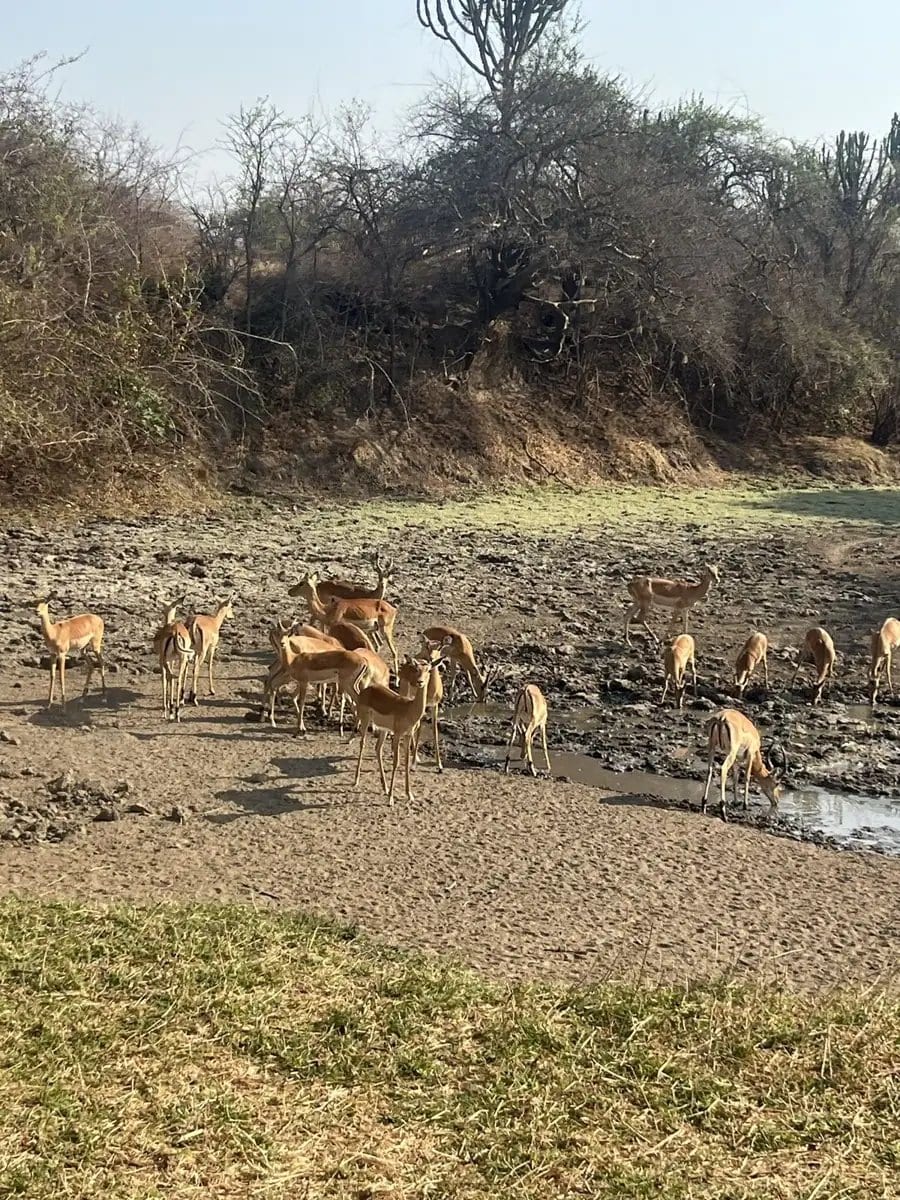
We visited in November, right at the tail end of the dry season, when Ruaha was living up to its wild reputation. The afternoons were scorching, the tsetse flies were out in force and the long, dry grasses meant that spotting wildlife could require a little patience. But November brings its own rewards. It's breeding season, and the plains were dotted with the most adorable newborns — tiny, wobbly-legged youngsters finding their feet in the big, wide African bush. Some sights are worth the wait, and these certainly were.
One of the real highlights was a visit to the hot-spring spa, around 18 km from camp. It's quite an experience. The ritual begins with a long, leisurely soak in a plunge pool fed by naturally heated spring water, followed by a relaxing treatment, all included as part of your stay.
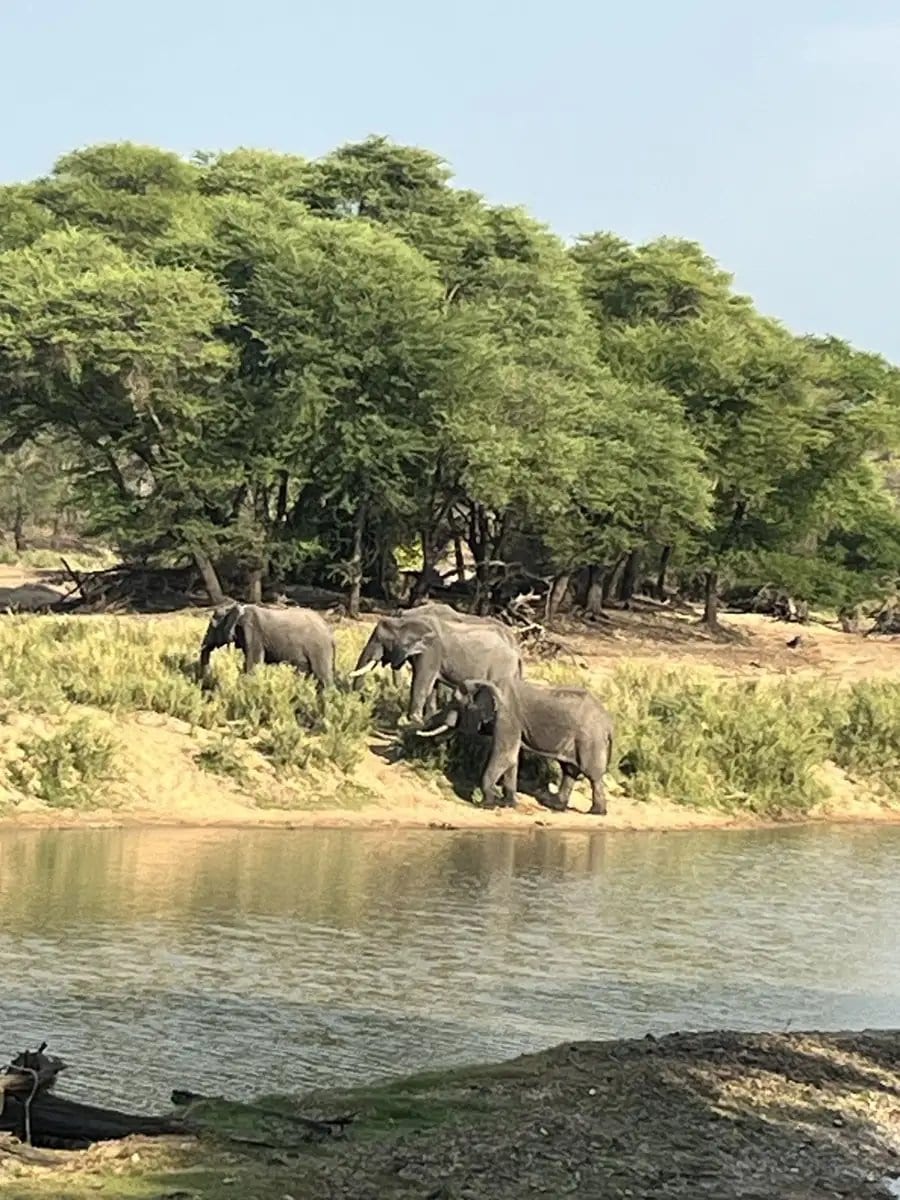
But this is no ordinary spa experience. As I soaked in the warm water, elephants wandered down to the waterhole for a drink, a large pod of hippos wallowed nearby and crocodiles stretched out lazily along the bank. It was one of those wonderfully surreal moments when the line between a luxury escape and the wild African bush disappears completely.
I've enjoyed my fair share of spa days, but never quite one with elephants, hippos and crocodiles for company. This one will be hard to beat.
The far south: Usangu Expedition Camp
Leaving Jongomero behind, we headed south-west to Usangu, a 60 km drive that takes around two hours — although calling it a transfer hardly does it justice. This is very much a game drive in its own right, with the changing landscape and wildlife along the way making the journey part of the adventure.
Usangu Expedition Camp sits on the edge of the vast Usangu floodplains, in a remote and still relatively unexplored corner of Ruaha. There's a real sense of discovery here, almost as though you're experiencing somewhere that hasn't quite made it onto the safari map yet. Staying at Usangu feels a little like being among the first to discover it.
With just six tents, thoughtfully spread across the landscape, the camp is intimate and wonderfully secluded. We had elephants padding silently past our tent in the middle of the night — one of those moments that reminds you just how close to nature you really are. The guiding was another real highlight. Jimmy and Ivan were exceptional, bringing the landscape and its wildlife to life with their knowledge, enthusiasm and incredible eye for spotting things.
Out on the wetlands, the wildlife was spectacular. Huge herds of topi, buffalo and zebra grazed across the floodplains, many with tiny calves keeping close to their mothers. We came across two magnificent lions enjoying the shade, as well as two particularly special sightings — the elusive roan and sable antelope, both real rarities.
And then there was the boat safari. Gliding out across the waterways, we passed enormous pods of hippos and an astonishing number of crocodiles, including one absolute giant sprawled along the riverbank. At one point, our guide switched off the engine and we simply drifted, taking in the sounds of the wetlands as the sun slipped towards the horizon. No engine, no conversation, just the gentle movement of the water and the African evening settling in around us.
It was one of those moments you wish you could bottle. Without doubt, the most peaceful of the entire trip.
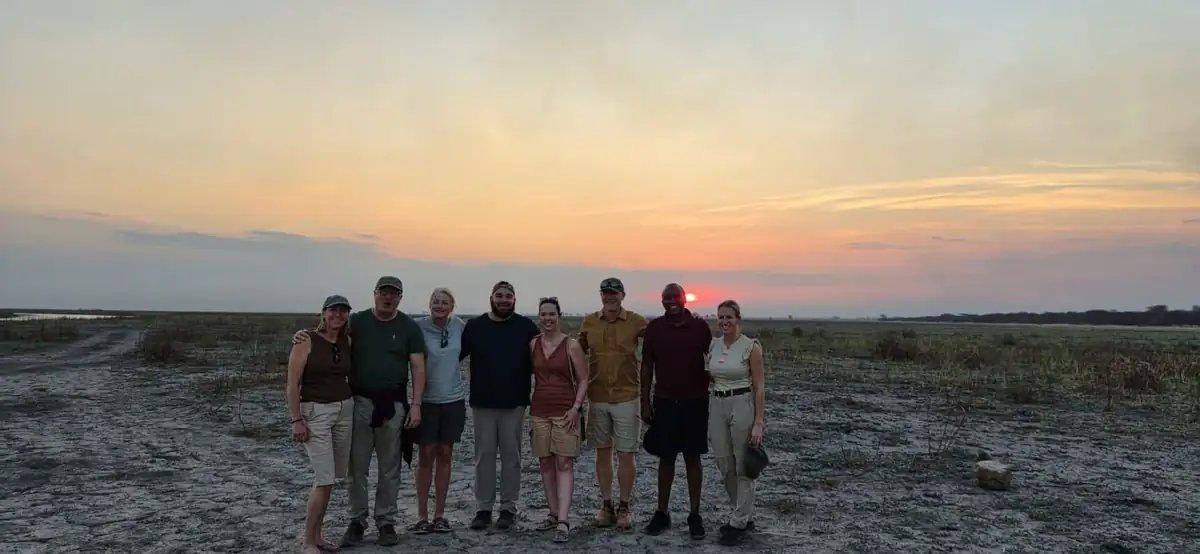
Usangu is also a place where conservation becomes much more than something you hear about — it's something you get to be part of. The camp has a wonderful focus on research and wildlife monitoring, giving guests a glimpse into the work that goes on behind the scenes to protect this remarkable wilderness.
Night drives are a little different here, using thermal imaging cameras connected to a laptop to pick up wildlife in the darkness without disturbing the animals with bright spotlights. One evening, we headed out to help set up camera traps around camp, then gathered over breakfast the following morning to see what had passed by overnight. The results were rather special: leopards, hyenas, an aardwolf and even porcupines had all made an appearance while we slept!
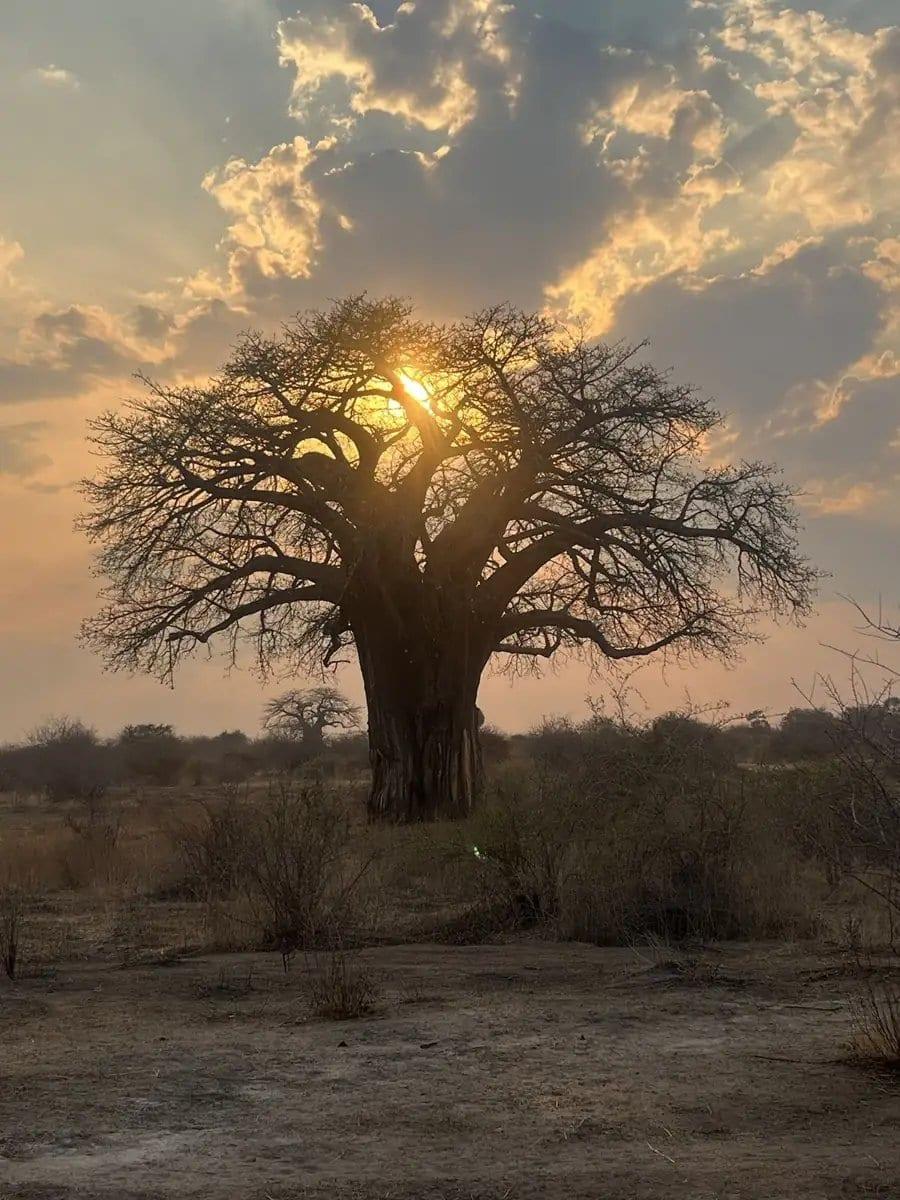
And if that wasn't enough, the evening ended with one of those quintessential African safari experiences — a bush dinner beneath a magnificent baobab, believed to be around 2,000 years old. There was singing, dancing, a delicious meal and, of course, a generous helping of malva pudding. A wonderful combination of conservation, culture and a little bush magic.
Central Ruaha
Moving into central Ruaha, around the Mwagusi River, we arrived in what is arguably the park's wildlife heartland. This is where the game viewing really comes into its own, and Asilia has three wonderfully different properties here.
First, there's Jabali Ridge, beautifully positioned on a rocky outcrop with sweeping views across the surrounding wilderness. With just eight stylish suites, a swimming pool and a spa, it offers a lovely balance of contemporary comfort and raw African landscape. Just next door is Jabali Private House, built around three enormous baobabs and designed for those wanting a more exclusive experience. It comes with its own private guide, safari vehicle, butler and chef — a home in the bush, with every detail taken care of.
Then there's Kokoko, something altogether different. An exclusive-use camp with just three pared-back tents, it embraces a wonderfully simple, back-to-nature style. Think lantern-lit dinners in the dry riverbed, evenings around the fire and, perhaps its most magical feature, roofs that roll back so you can lie in bed beneath a sky full of African stars.
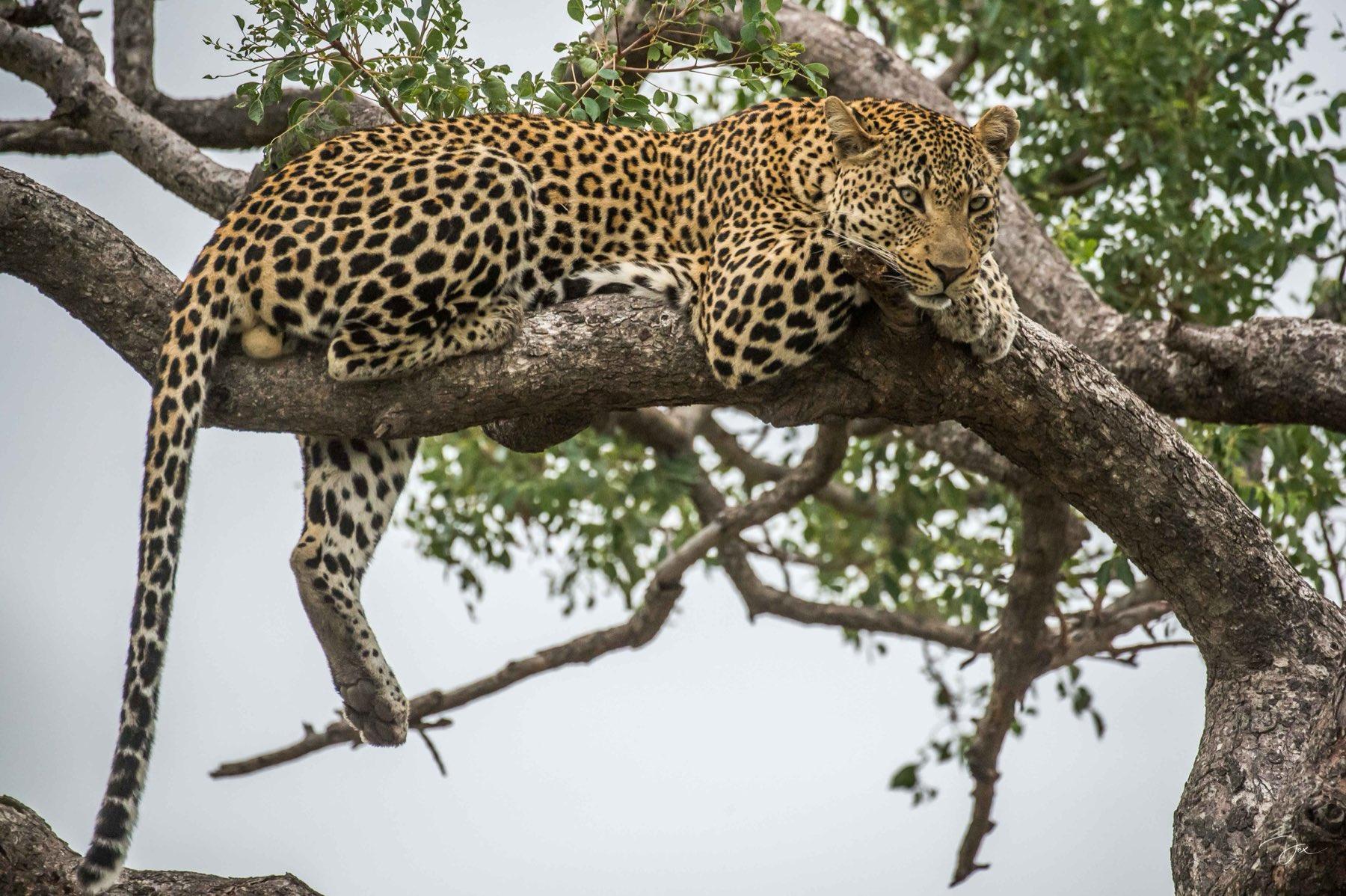
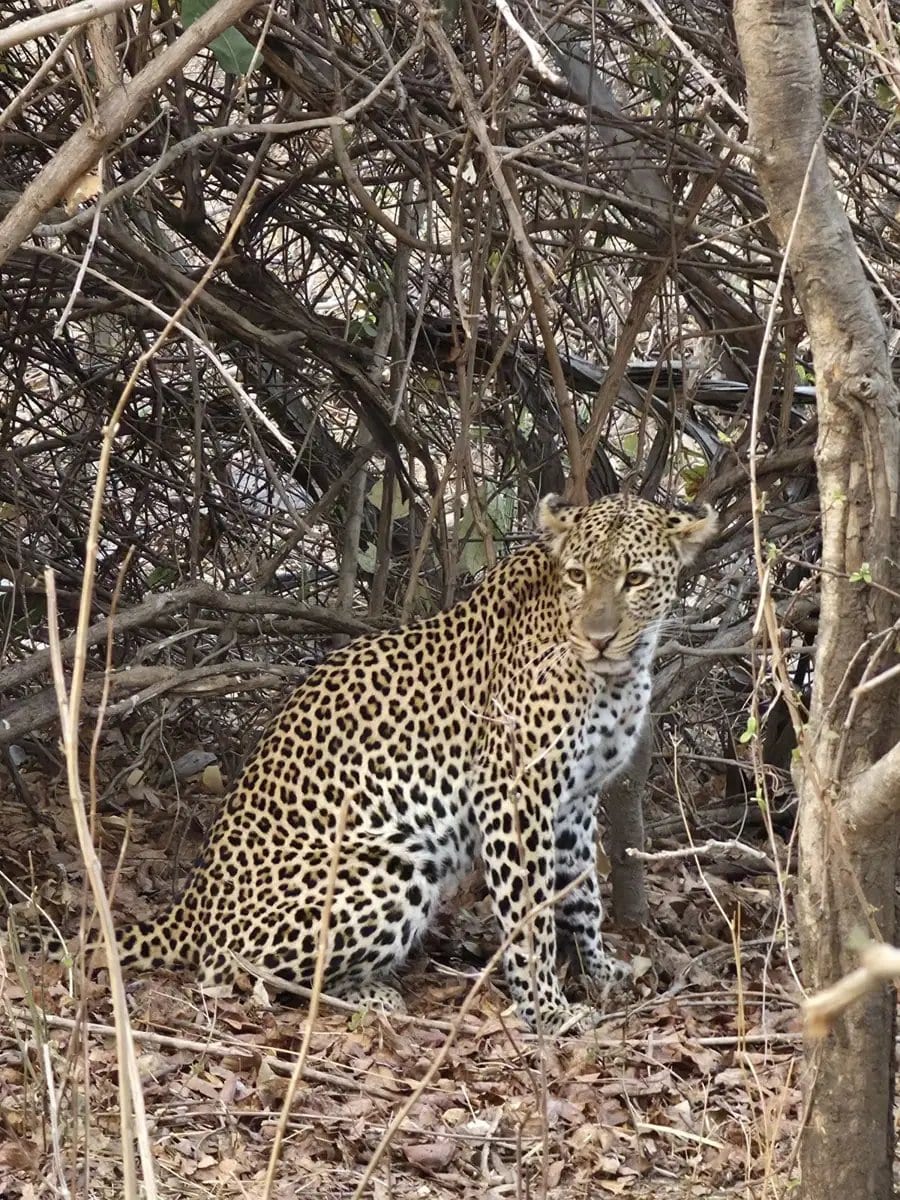
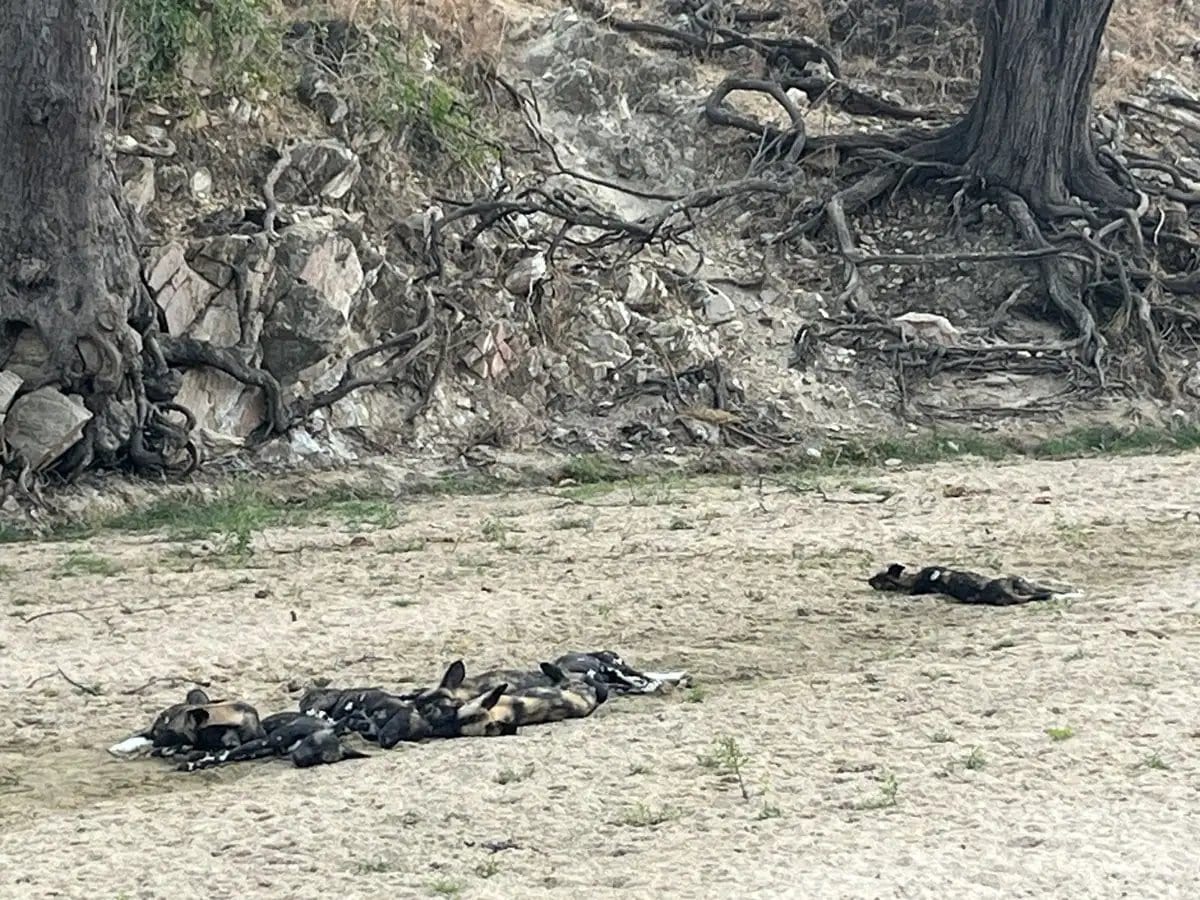
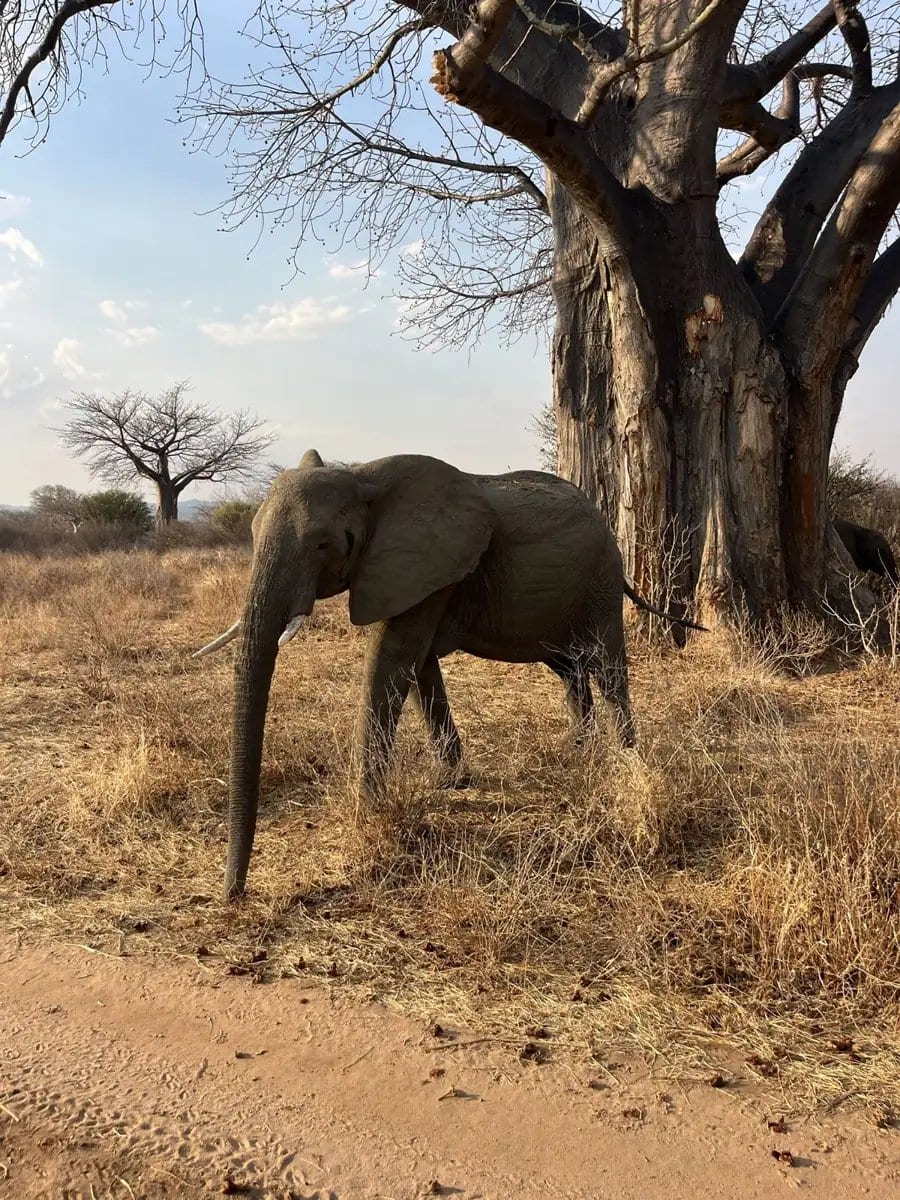
And the wildlife? Quite simply, extraordinary. We locked eyes with a leopard watching us from the cover of a thicket, came across a pack of wild dogs sleeping off the afternoon heat in a dry riverbed, and spent time with a pride of lions feasting on a freshly made giraffe kill. Elephants seemed to be everywhere, digging deep into the sandy riverbeds in search of water and wandering beneath the magnificent, bark-stripped baobabs.
This is Ruaha at its very best — wild, unpredictable and full of those unforgettable safari moments that keep you coming back for more.
Nyerere: life on the water
Leaving Ruaha behind, we took to the skies from Msembe Airstrip for the ninety minute flight east to Nyerere National Park. Formerly part of the vast Selous Game Reserve, Nyerere became a national park in its own right in 2019. At an incredible 30,893 km², it's Africa's largest stand-alone national park, forming part of a UNESCO World Heritage ecosystem.
It's a relatively young safari destination, and with far fewer visitors than Tanzania's northern parks, the wildlife hasn't quite become accustomed to safari vehicles. Sightings can take a little more patience, but that is all part of the appeal. There's a wonderful sense of discovery here, and every encounter feels that much more special.
If Ruaha is all about dry, rugged landscapes and baobab-studded plains, Nyerere is a world of water. Rivers, lakes and winding channels shape the landscape, and life revolves around them. Asilia's Roho ya Selous is beautifully positioned on a small peninsula along the channel between Lake Manze and Lake Nzerakera, with wildlife seemingly on its doorstep. Hippos and crocodiles patrol the shallows, while giraffe and kudu occasionally wander right through camp.
The camp has just eight spacious tents, thoughtfully designed for comfort in the heat, including clever Evening Breeze cooling systems positioned above the beds. Once again, the guiding was excellent, the staff genuinely welcoming and the food absolutely delicious. It's a lovely little camp in a very special setting.
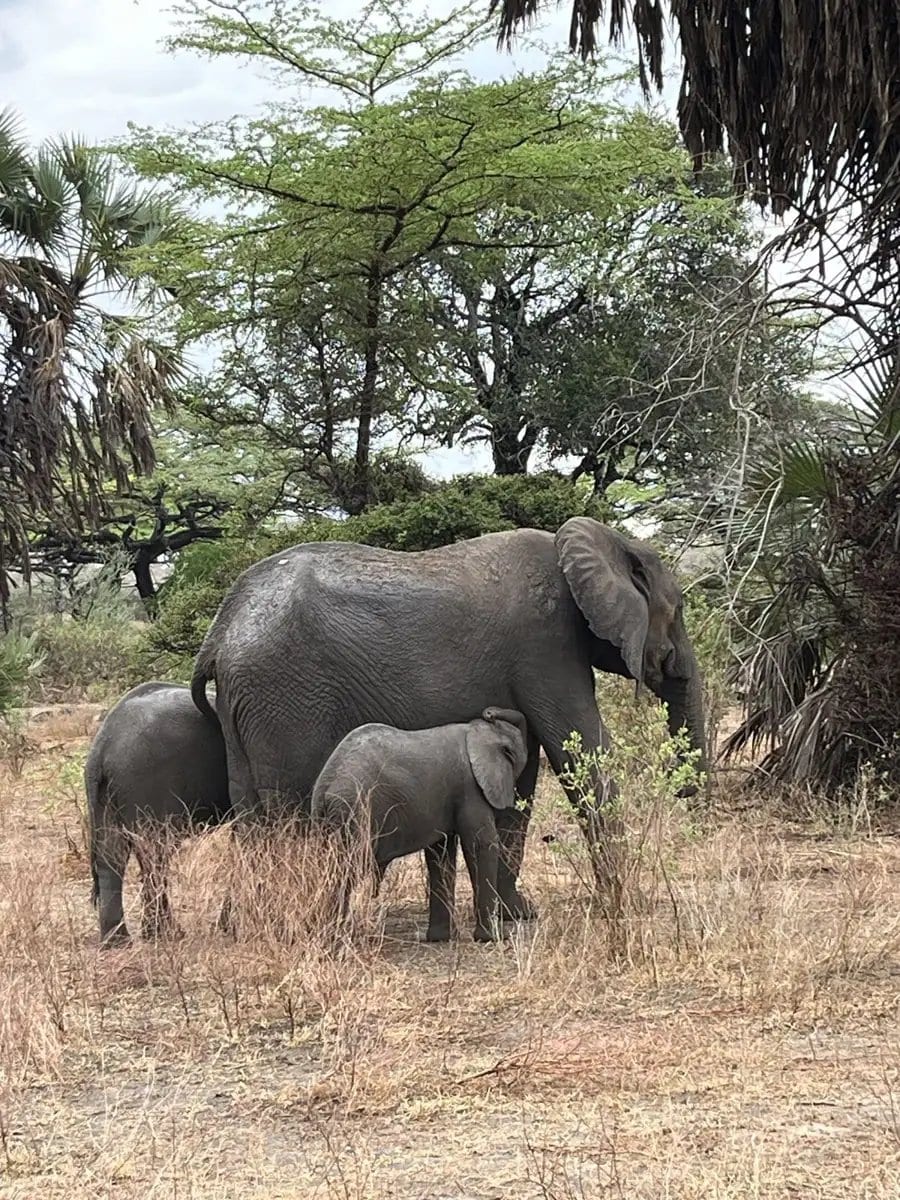
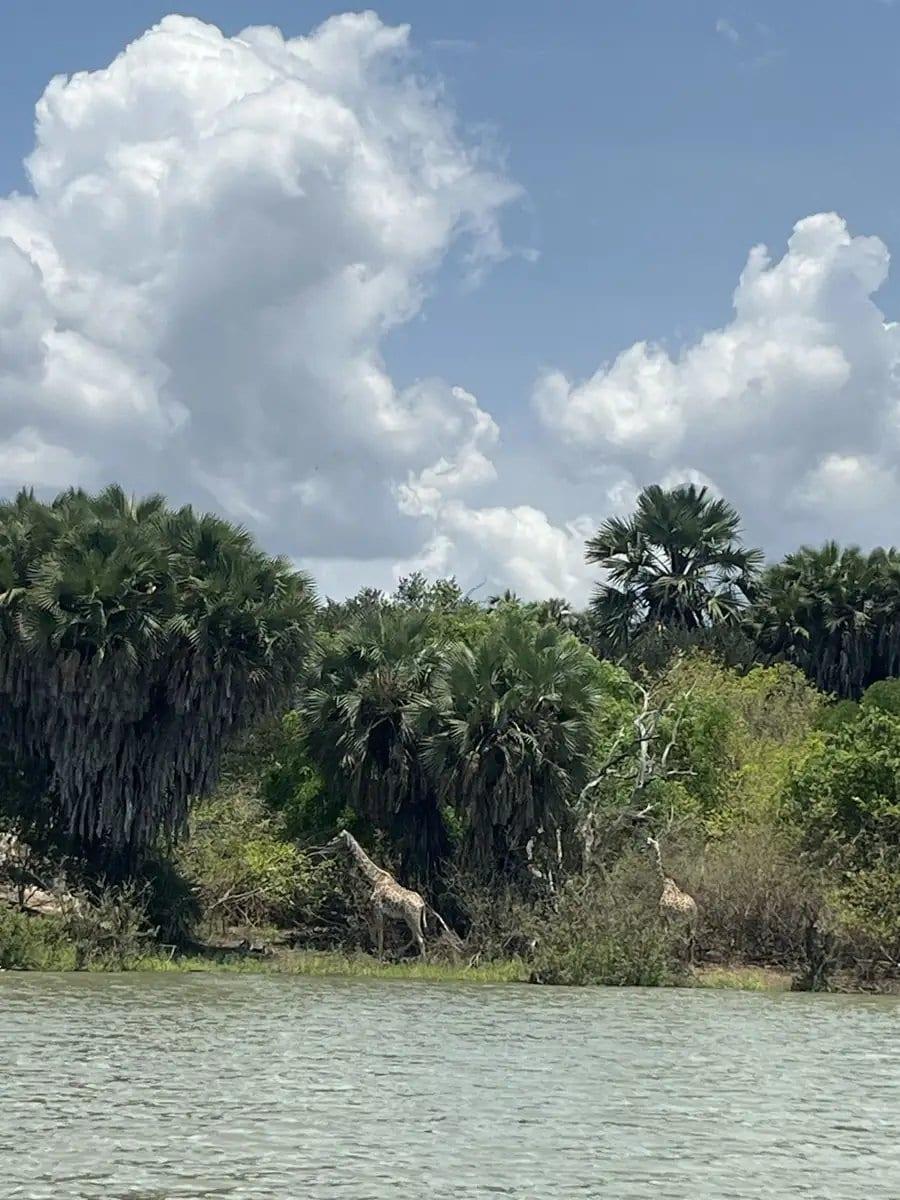
Here, however, the real magic happens on the water. Boating safaris are very much the signature experience, and exploring the lakes and channels at a leisurely pace offers an entirely different perspective on the bush. We drifted past elephant herds with tiny calves in tow, watched giraffe browsing along the shoreline and spotted an impressive array of birdlife, including marabou storks and fish eagles. One particular sighting made my day — a secretary bird striding through the grass.
Back on land, we found a pride of four lions and plenty of buffalo, reminding us that Nyerere has just as much to offer away from the water. It's a wonderfully different safari experience, where the rhythm of the river and the sheer abundance of birdlife add another dimension to an already remarkable journey.
For my final night, I crossed the lake by boat to LABA Siwandu. Arriving by water is a rather lovely way to reach camp, and the setting is undeniably beautiful. Perched on the shores of Lake Nzerakera, with the distant Beho Beho hills providing a spectacular backdrop, it's a very pretty spot. Siwandu is a larger camp with a different feel and style, though, and having experienced both, Roho ya Selous, just across the water, would be our choice for guests looking to stay in this part of Nyerere.
What you should know before you go
Go south for space. If it's a real wilderness experience you're after, Ruaha and Nyerere deliver in spades. There are remarkably few vehicles, vast landscapes and a wonderful feeling of having the bush almost entirely to yourself. They're ideal for both first-time safari-goers and seasoned travellers looking for something a little different from Tanzania's northern circuit.
Combine the two parks. Ruaha and Nyerere complement each other beautifully. Ruaha brings the dry, baobab-studded landscapes, big cats and exceptional game viewing, while Nyerere offers a completely different world of lakes, waterways and boating safaris. Together, they make for a wonderfully varied southern Tanzania safari.
Timing matters. June to September is the prime safari season, with cooler, drier conditions and excellent wildlife viewing. November, when we travelled, is very hot, with tsetse flies and long grass making sightings a little more challenging. But it's also breeding season, so there are adorable babies everywhere. Most camps close during March and April, when the rains are at their heaviest.
Pack for the heat. Think lightweight clothing, breathable layers, a good hat and plenty of high-SPF sunscreen. Neutral colours are best, and leave the dark blue and black at home as these tend to attract tsetse flies. A little preparation goes a long way.
Choose your camp carefully. Each of these properties offers something quite different. For those wanting a more adventurous, off-the-beaten-track experience, Usangu and Kokoko are wonderful choices. Jabali Ridge and Jabali Private House offer a more polished take on bush luxury, while Jongomero is hard to beat for its private safari vehicles and that rather extraordinary hot-spring spa. In Nyerere, Roho ya Selous would be our first choice.
Homeward bound
The final leg of the journey was a short 30- to 35-minute flight from Siwandu Airstrip back to Dar es Salaam. It's an easy connection, and one of the reasons southern Tanzania works so beautifully when combined with a few days on the coast or an island escape in Zanzibar. A week in the bush followed by a little barefoot luxury on the beach is a rather appealing way to finish an African adventure.
I came home with dust on my boots, the sound of hippos still in my ears and a return journey already taking shape in my mind. Southern Tanzania has a way of getting under your skin. It's vast, raw and wonderfully untamed, with a sense of space and freedom that is becoming increasingly hard to find.
The north may have the fame, but the south has a magic all of its own. This is Africa at its most elemental, still running at its original scale. And I have a feeling it won't be long before I'm back.