Safari Giants
Madagascar landscape

Indian Ocean

Madagascar

Africa, as you’ve never seen her before.

Madagascar broke away from mainland Africa tens of millions of years ago.

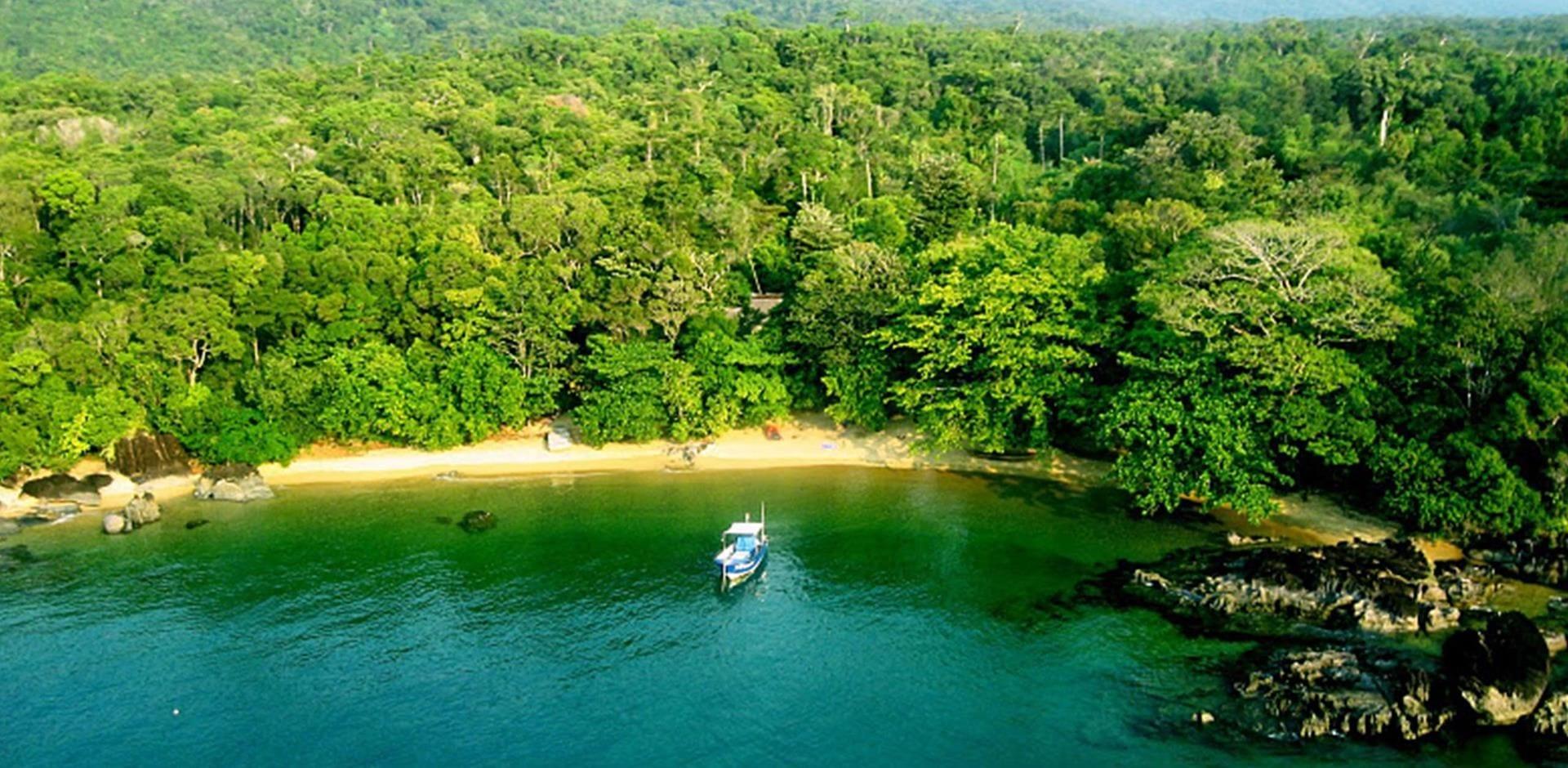
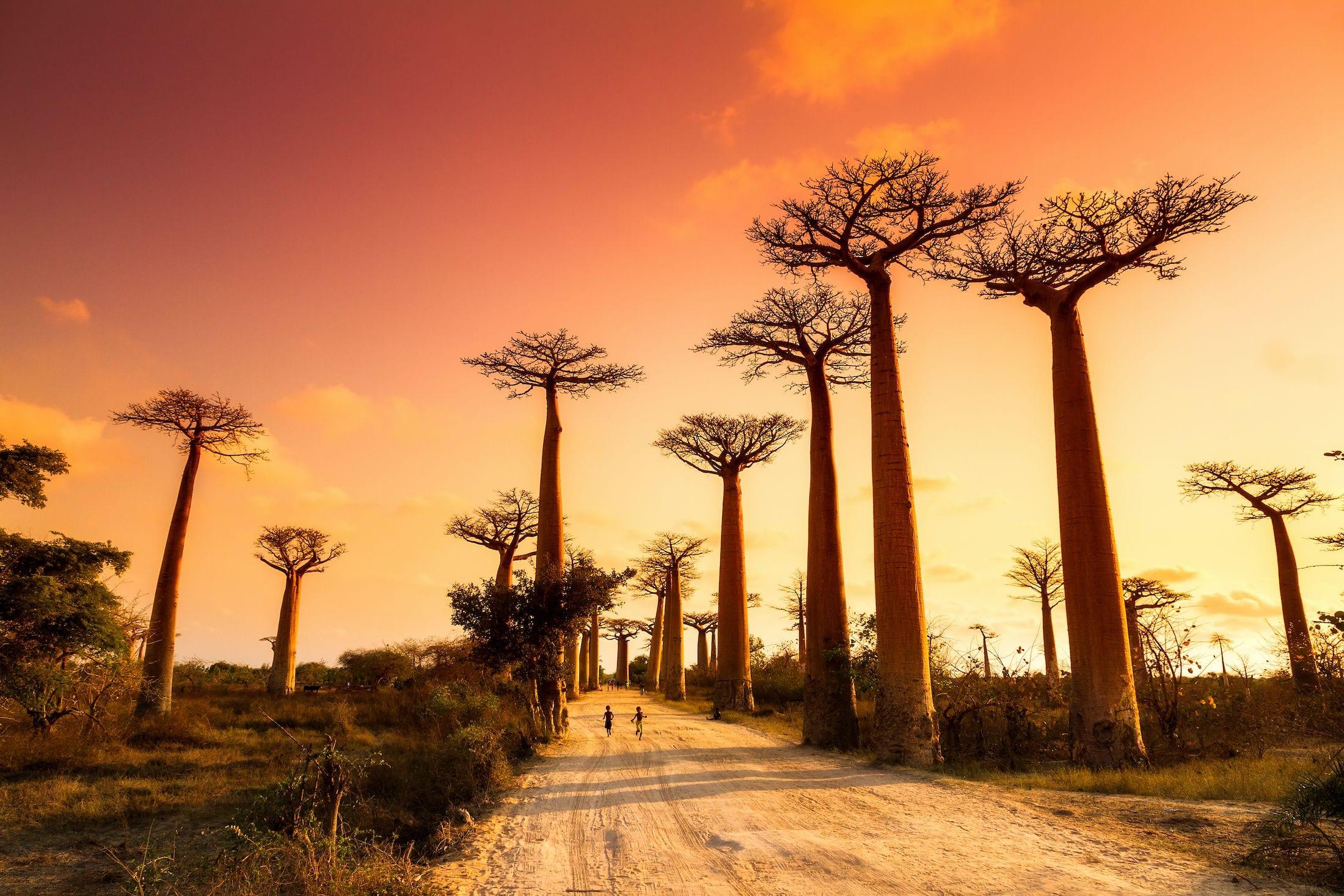
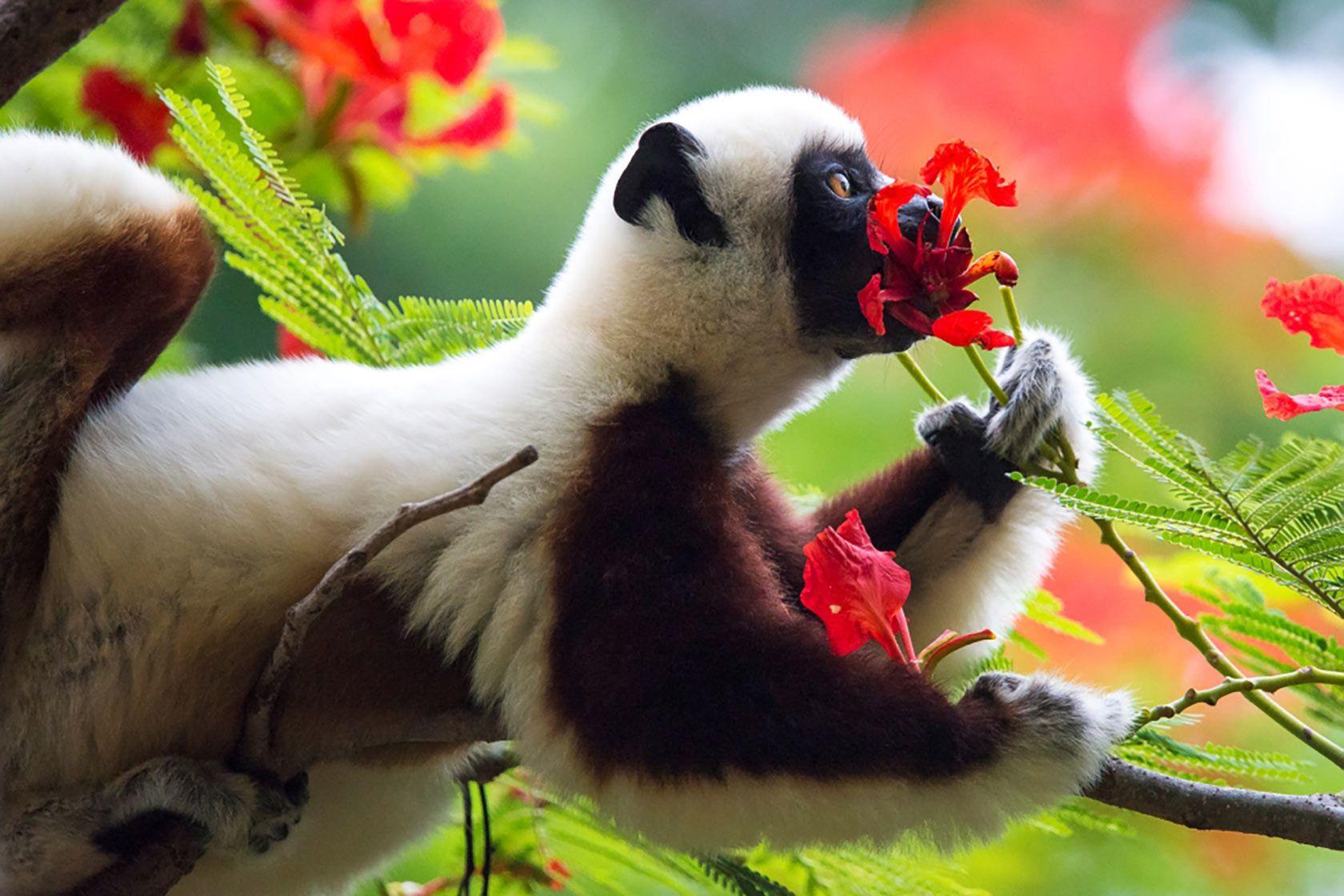
The result? A natural heritage found nowhere else on earth and a safari experience that’s all about delighting in the unusual. Lemurs leap through the forest canopy and sifakas cross open ground by bounding sideways on their hind legs. Chameleons, some no bigger than a fingertip, shift colour on branches beside the trail, and fossas, the island’s top predators, may look like small pumas but are actually more closely related to mongooses. Its landscapes are just as varied: the grey limestone pinnacles of the Tsingy, baobabs with trunks like water towers, spiny forests in the south, rainforest covering the mountains in the east, and, all around, coral reefs and white-sand beaches.

  • 587,000km²

    of island, the fourth-largest on earth — running more than 1,600 km from north to south.

  • 80%

    of Madagascar’s plant and animal species are endemic, found nowhere else on the planet.

  • 100+

    lemur species, from the 30-gram mouse lemur — the world’s smallest primate — to the carrying song of the indri.

  • 6

    baobab species grow only in Madagascar, including the ancient trees along the Avenue of the Baobabs.

  • 6 parks

    make up the Rainforests of the Atsinanana, a UNESCO World Heritage Site since 2007.

  • 5,000km

    of coastline, where humpbacks arrive from Antarctic waters to calve off Île Sainte-Marie from June to September.

Madagascar landscape

Why go

Why Madagascar

Because here, almost every animal you meet is one you’ll only ever see in Madagascar.

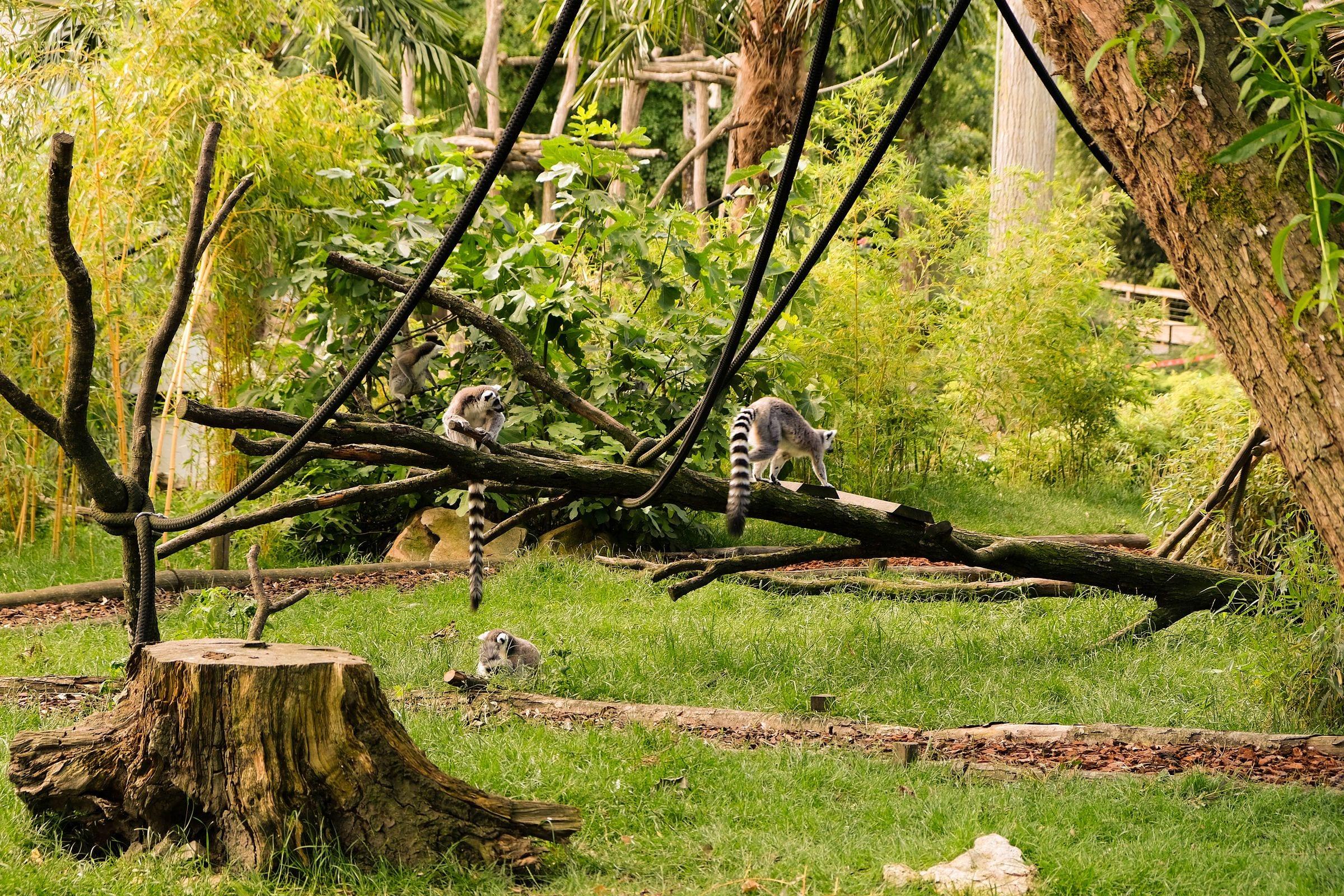
In the forests of Andasibe, indris — the largest living lemurs — sing to one another across the valleys at dawn. On the Masoala peninsula, red ruffed lemurs live nowhere else, not even elsewhere on the island. And on Nosy Komba, black lemurs feed close enough for you to see that only the males are black; the females are actually a russet brown.

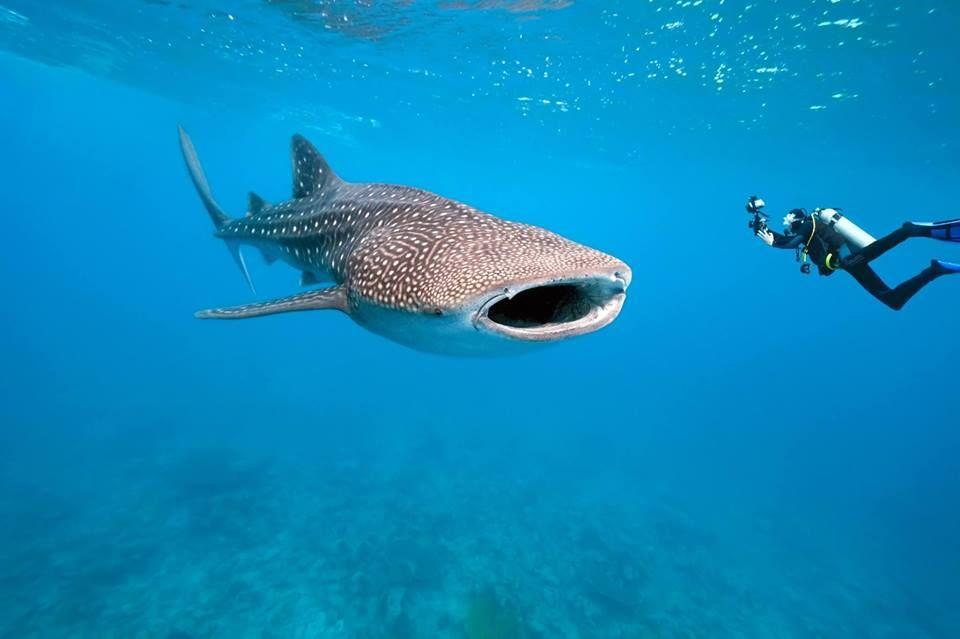
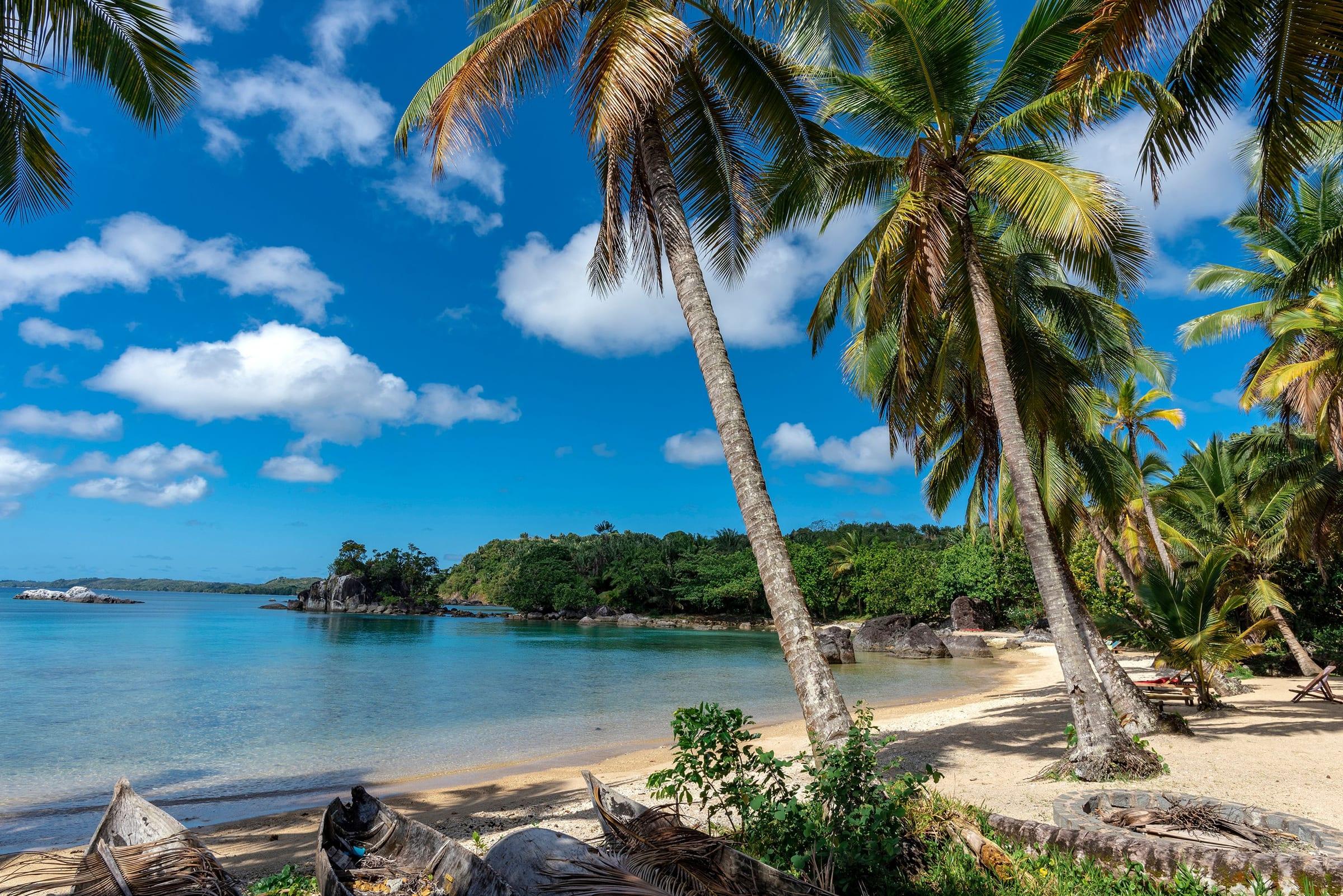
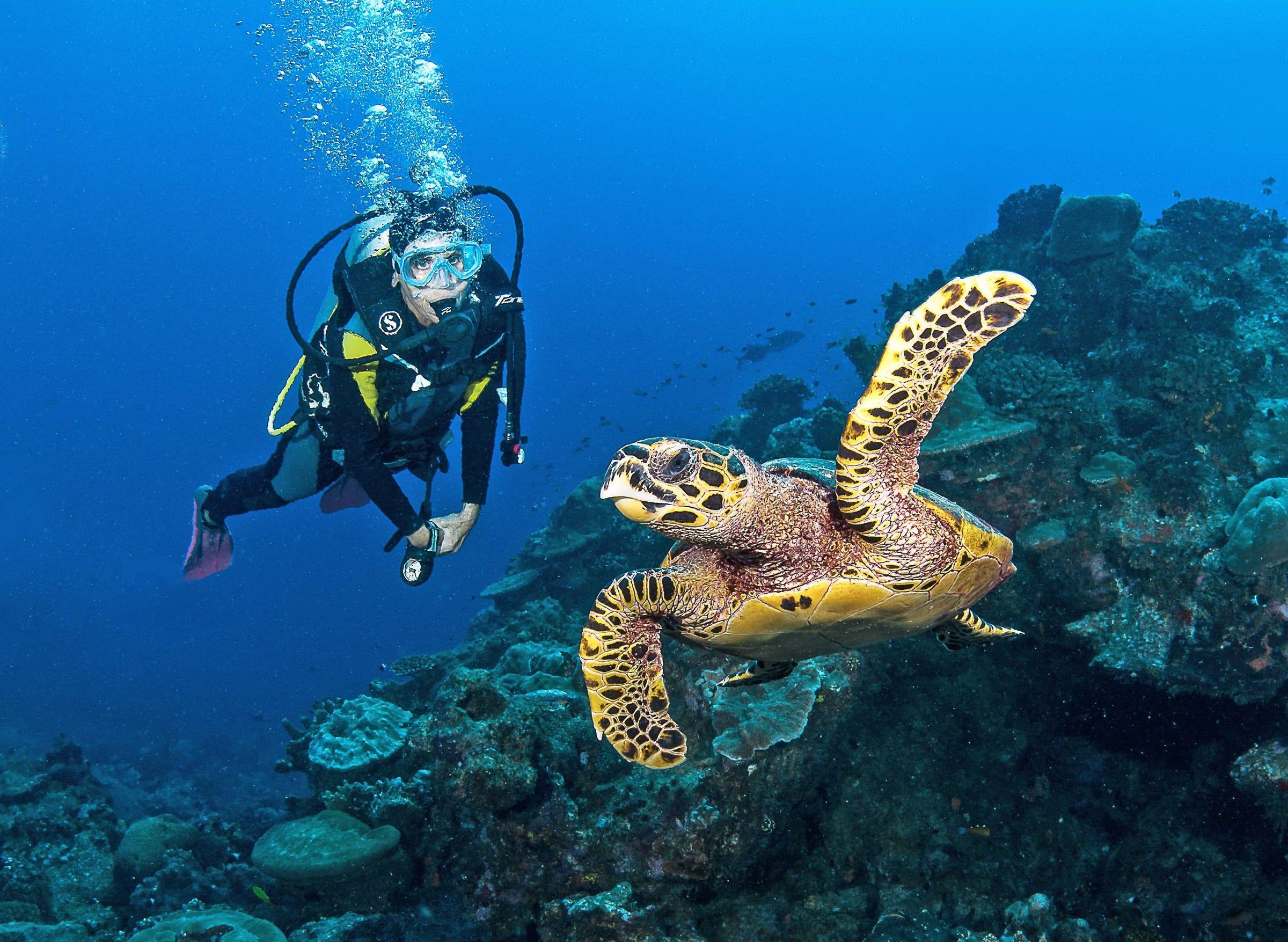
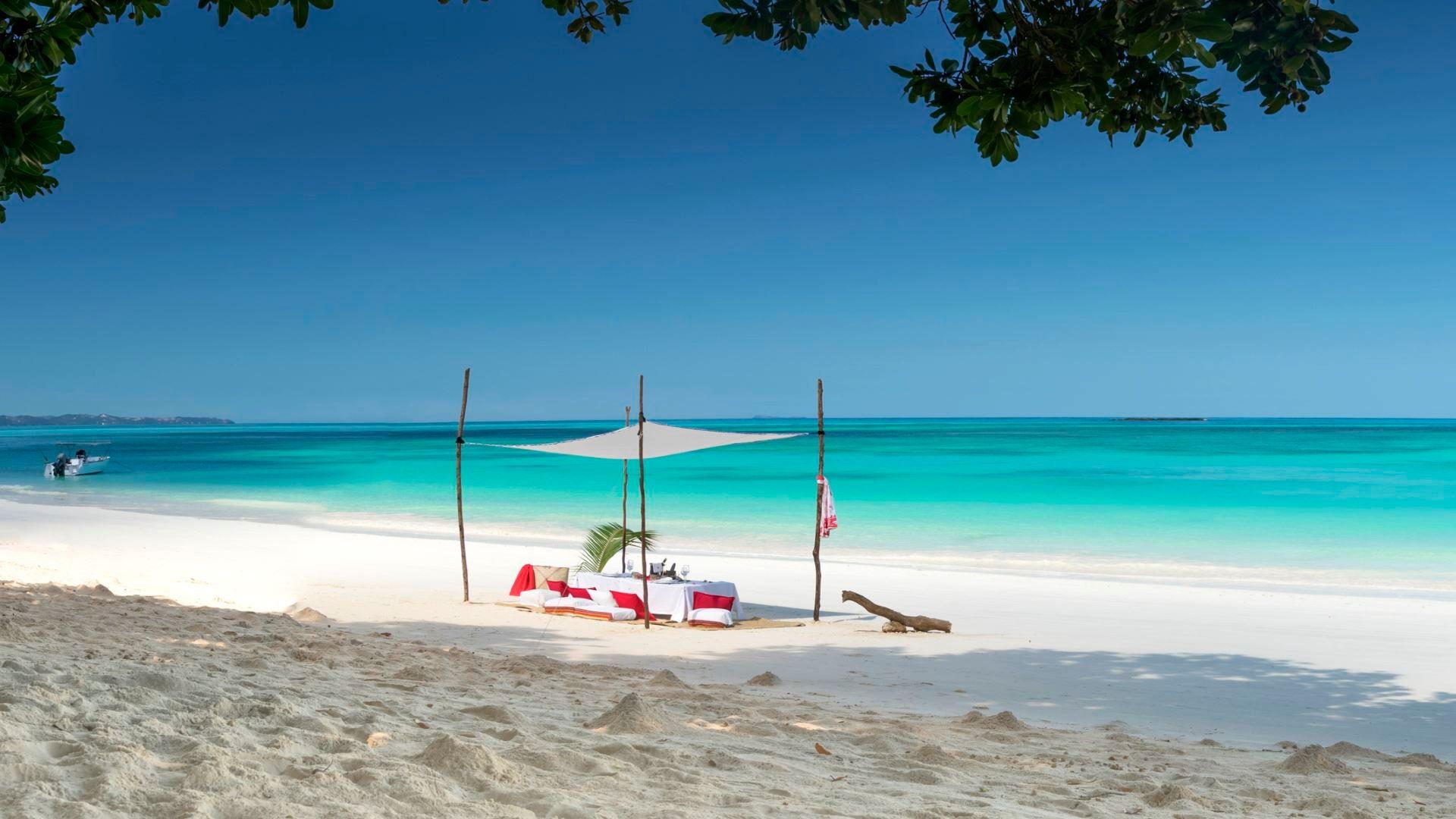
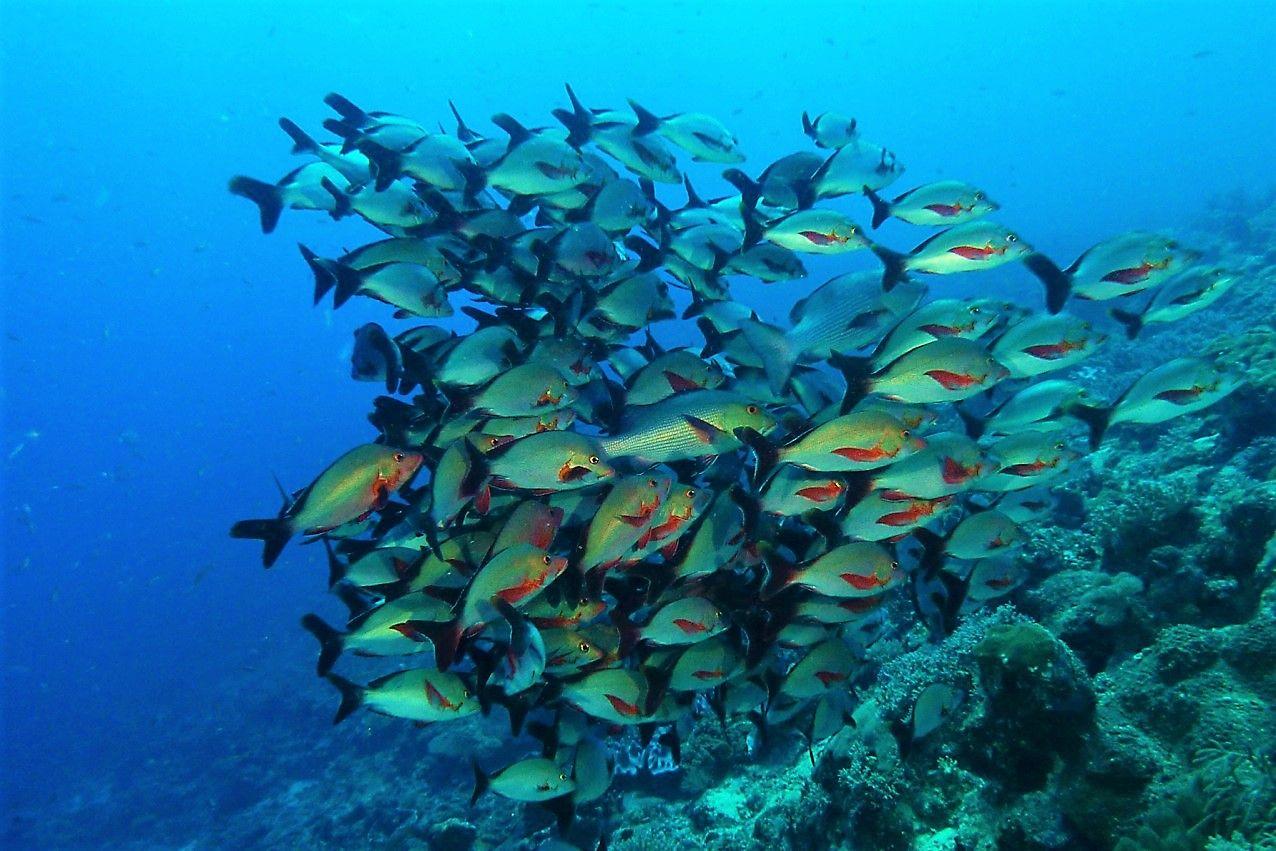
Then we move to the ocean. Around Nosy Be, you can snorkel over coral reefs, and on Île Sainte-Marie, watch for whales in season. After days of forest walks, there is time to slow down on an Indian Ocean beach — as tropical and turquoise as you could wish.

Along the way, the Malagasy people add their own story. Their ancestors are thought to have sailed from East Africa and Southeast Asia, and you’ll see it in the villages, food and music around the lodges.

Madagascar is Africa, set apart.

The regions

Where to Go in Madagascar

Nosy Be Archipelago

Madagascar

Nosy Be Archipelago

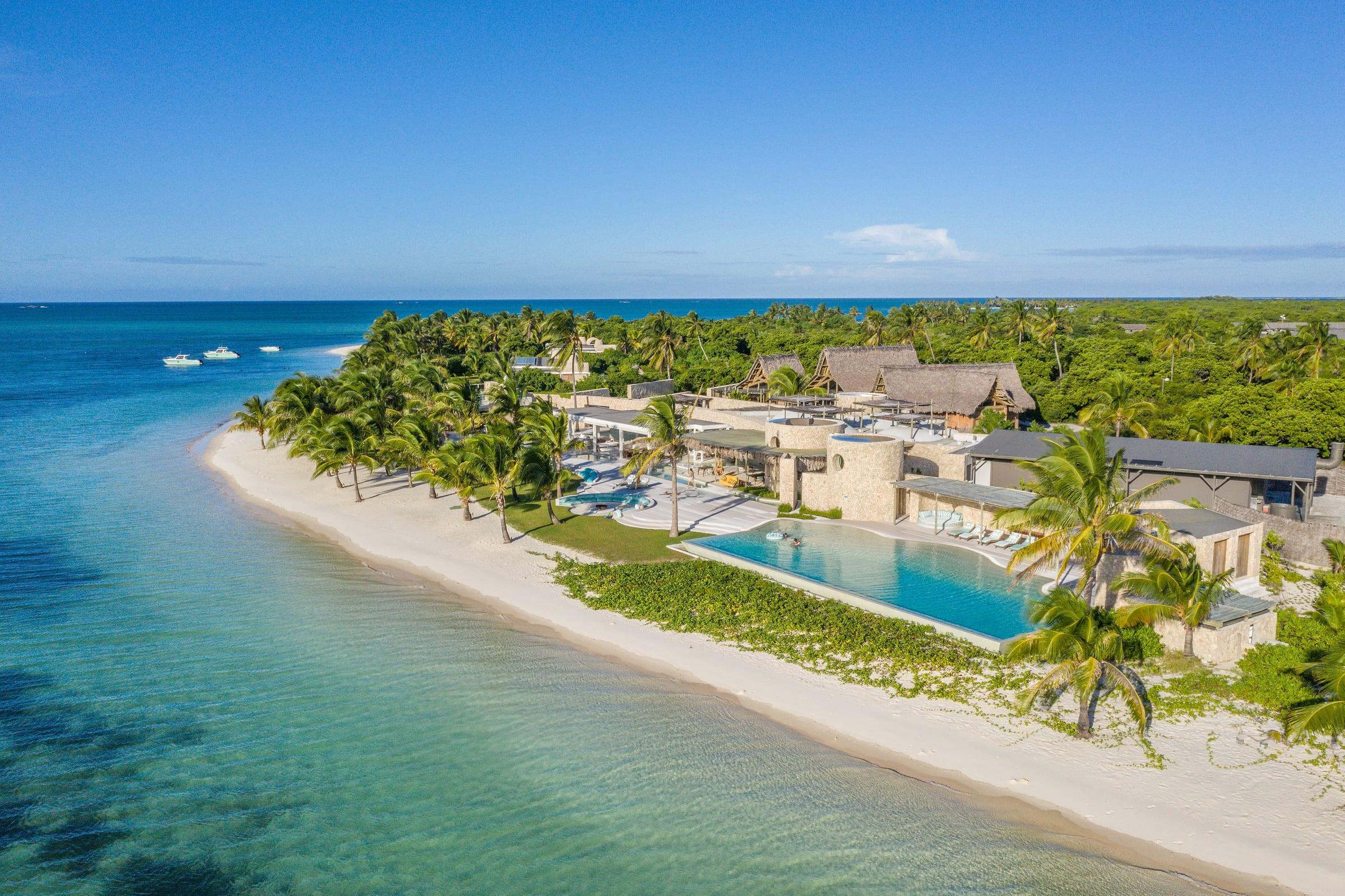
Off Madagascar’s northwest coast, Nosy Be and its neighbouring islands rise green and volcanic from warm, clear water. Boat trips link it to smaller islands with coral reefs for snorkelling and diving, including forested Nosy Komba — known as Lemur Island — where Time + Tide Tsara Komba sits between the rainforest and the reef. Further north, Constance Tsarabanjina has a small volcanic island to itself, and Miavana by Time + Tide, on Nosy Ankao off the northeast tip, is a helicopter flight away. Across the region, look out for panther chameleons in shades of red, green and turquoise.
Andasibe-Mantadia National Park

Madagascar

Andasibe-Mantadia National Park

A few hours’ drive east of Antananarivo, Andasibe is cool, misty rainforest, with tree ferns, orchids and trails that glitter with condensation after a storm. Most people come for the indris, which live in small family groups and have never survived in captivity, so this is one of the few places to see them at all. Walks here are slow, with plenty of stops, because there is so much to take in — orange, grey and white diademed sifakas in the treetops, or a stick insect as long as your hand. Vakona Forest Lodge, on the edge of the park, makes a quiet base between walks.

Anjajavy Peninsula

Madagascar

Anjajavy Peninsula

On a remote peninsula on the northwest coast, reached only by light aircraft, dry forest runs down to quiet bays and mangroves. Behind the beaches, the land is studded with tsingy limestone, and baobabs rise out of the forest. Sifakas and brown lemurs live in the private reserve around Anjajavy Le Lodge, and the dry forest is home to fossas — Madagascar’s largest predators. There are caves to explore, with bats and ancient rock formations, and fishing villages along the coast.

Masoala National Park

Madagascar

Masoala National Park

In the far northeast, Masoala is where rainforest runs straight down to the sea. The peninsula is home to Madagascar’s largest protected area, covering both forest and marine reserves, and Masoala Forest Lodge sits right where the two meet. In the forest, guides look for red ruffed lemurs, leaf-tailed geckos so well disguised they pass for bark, and, with luck, aye-ayes.

Île Sainte-Marie

Madagascar

Île Sainte-Marie

Off the east coast, Île Sainte-Marie is a long, narrow island of palm-lined beaches and small villages. In the 17th and 18th centuries it was a base for pirates, and their cemetery still overlooks the bay. Today its most famous visitors are humpback whales, which come into the channel between the island and the mainland from around June to September. Voaara Lodge, on the island’s quiet northwest shore, is a fine place to watch for them.

Antananarivo

Madagascar

Antananarivo

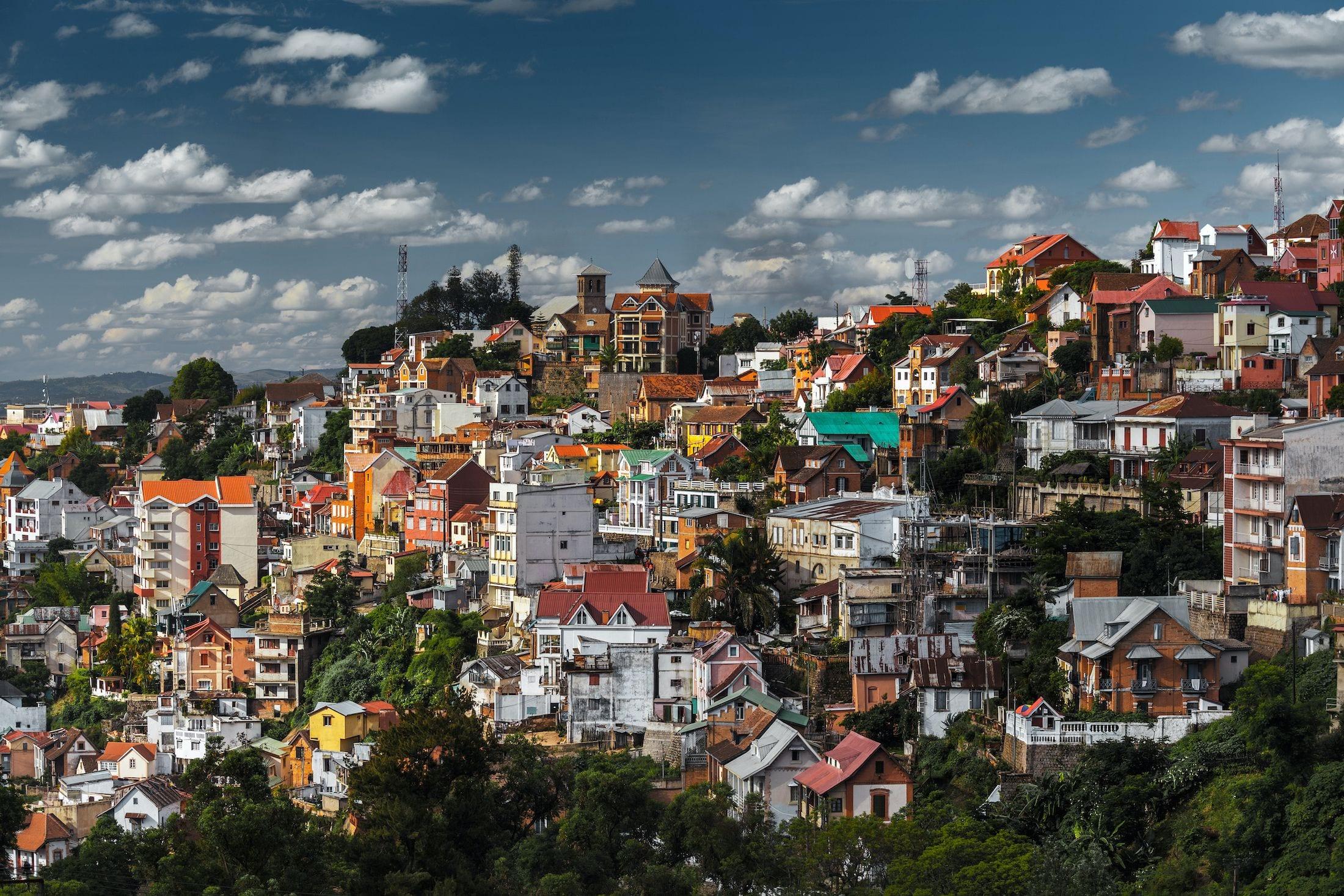
Most journeys begin in the capital, Antananarivo, set among the hills and rice fields of the central highlands. It is a gateway rather than a destination — usually a night’s stay before flying on. Distances are long and roads are slow, so the forests and the coast are linked by light aircraft, boat or helicopter, and from the air you see red earth, terraced rice fields and rivers running red with soil to the sea.

On the map

Madagascar in the Region

How the country sits alongside its neighbours, and the gateways that link a multi-country journey.

View interactive map

Every trip is tailored

Safaris Through Madagascar

Starting points, not itineraries. A sense of pace, pairings and possibility.

Start the conversation

Talk to us about Madagascar

We know which forests to walk, which lodges give you time with the lemurs, and when the humpbacks are in the channel. Tell us who is travelling and what you hope to see, and we will build the journey around it.

Start planning