
Seychelles
The Inner Islands
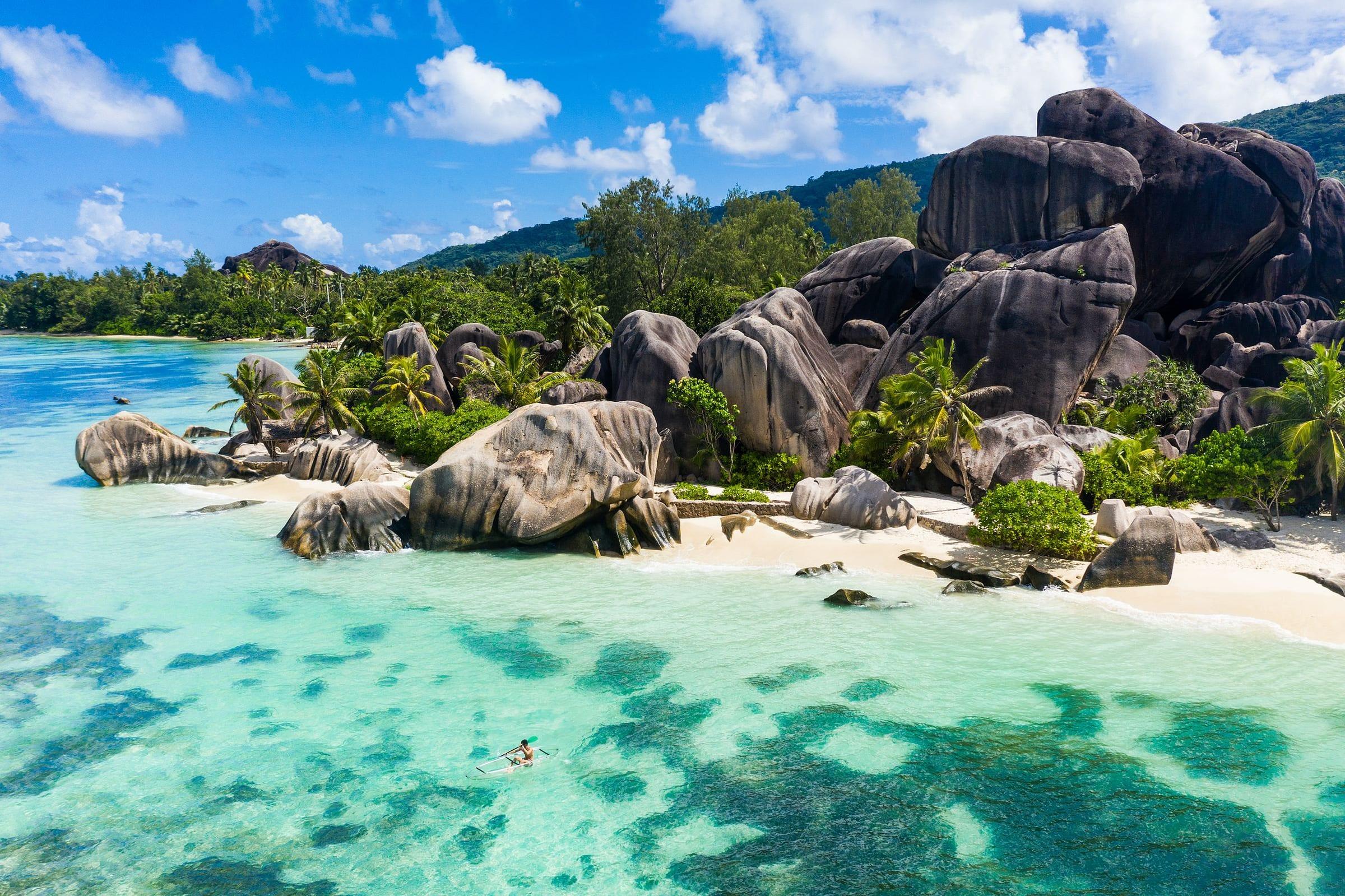
The three main granitic islands — Mahé, Praslin and La Digue — are where most visitors start, and each one adds something the last didn’t.
Indian Ocean
A green safari by land, and a blue safari by sea.
The Seychelles is a tropical paradise, but it’s also Africa’s island wilderness.
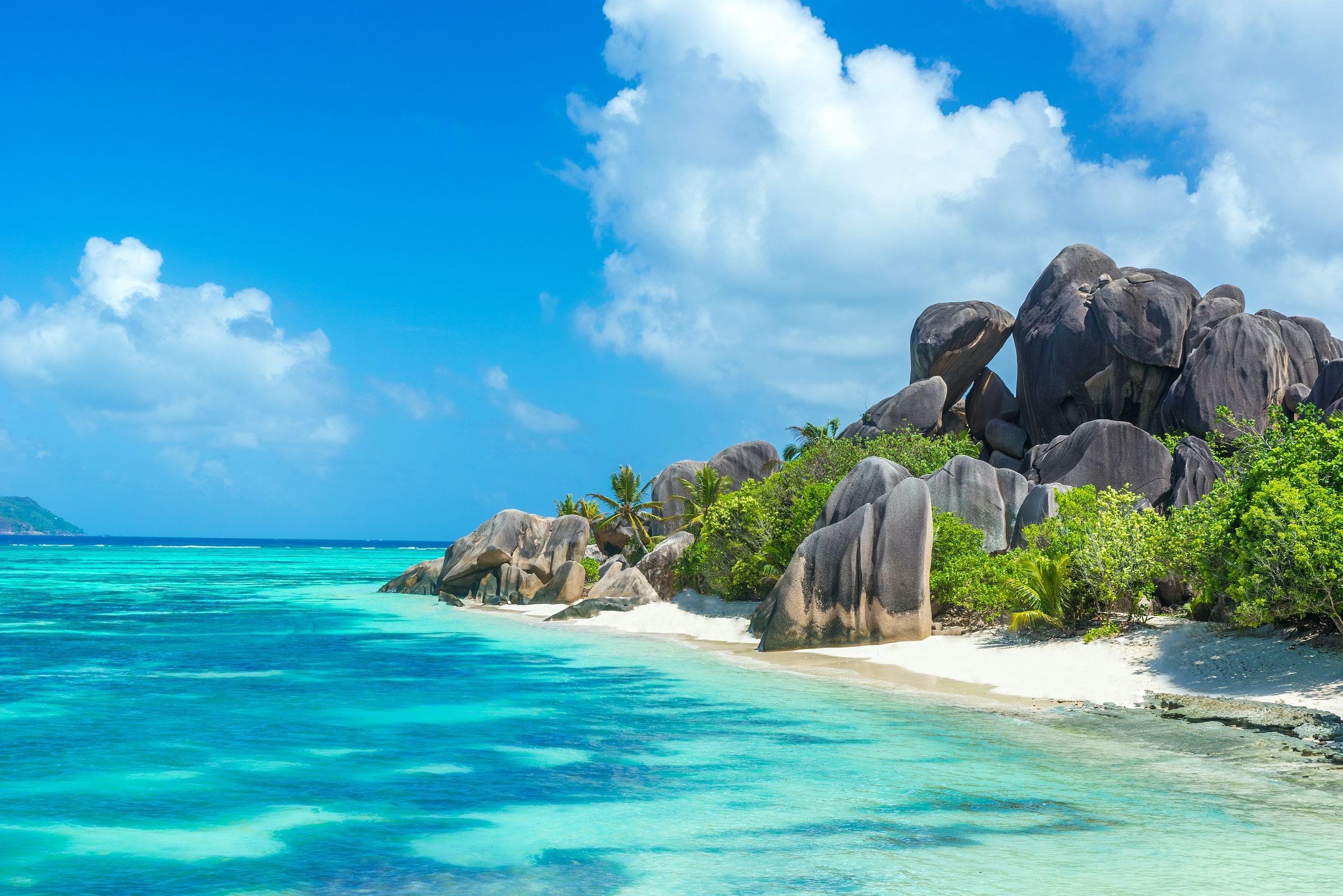
Its 115 islands are spread across the western Indian Ocean, from forested granite peaks to coral atolls that barely clear the tide. On Mahé, Praslin and La Digue, grey granite rises straight out of clear water, worn smooth into boulders on the beaches and covered in forest higher up. Far to the southwest, the Outer Islands give way to open ocean, and on Aldabra, giant tortoises graze an atoll that people seldom set foot on.
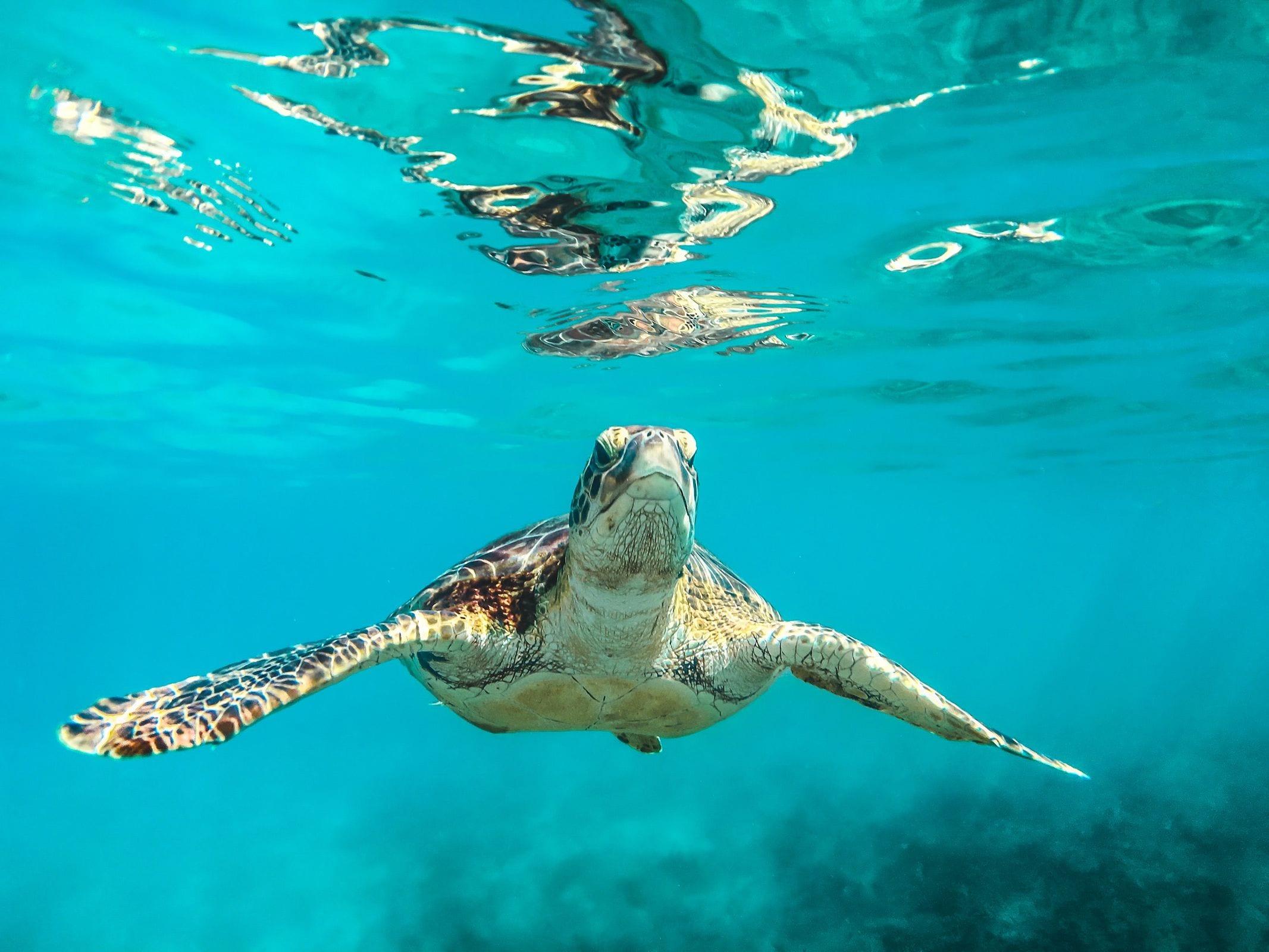
Millions of years of isolation have left these islands with plants and animals of their own. The coco de mer drops the heaviest seed in the plant kingdom on the forest floor of Vallée de Mai, black parrots feed in the palms above it, and some of the world’s smallest frogs live in the leaf litter of the mountain forests. Offshore, more than 1,000 species of fish move through reefs and seagrass meadows where green turtles feed, and close to a third of the country’s waters are now protected.
Days are spent on forest trails, crossing between islands by boat and slipping beneath the surface, where a reef at high tide is as busy as any waterhole at dusk.
115
islands and islets, divided broadly between the granitic Inner Islands and the more remote coral Outer Islands, scattered across approximately 1.4 million km² of ocean.
2
UNESCO World Heritage Sites: Vallée de Mai on Praslin, which protects one of the world’s most remarkable coco de mer palm forests, and Aldabra, the world’s largest raised coral atoll.
750Myears
of granite. The Inner Islands are fragments of the supercontinent Gondwana, left stranded when India drifted away around 66 million years ago — often described as the only granite islands in the open ocean.
25kg
coco de mer. The palm’s seed is the heaviest in the plant kingdom, and grows wild only on Praslin and Curieuse. Sailors found the nuts floating long before anyone saw the tree.
100,000
giant tortoises on Aldabra — the world’s largest population, and the only place where a reptile is the dominant grazer. Some grasses have evolved to grow low under the constant cropping, forming what’s known as tortoise turf.
30%
of Seychelles waters protected since 2020 — 410,000 km² (an area larger than Germany), funded by the world’s first debt swap for ocean conservation.
Why go
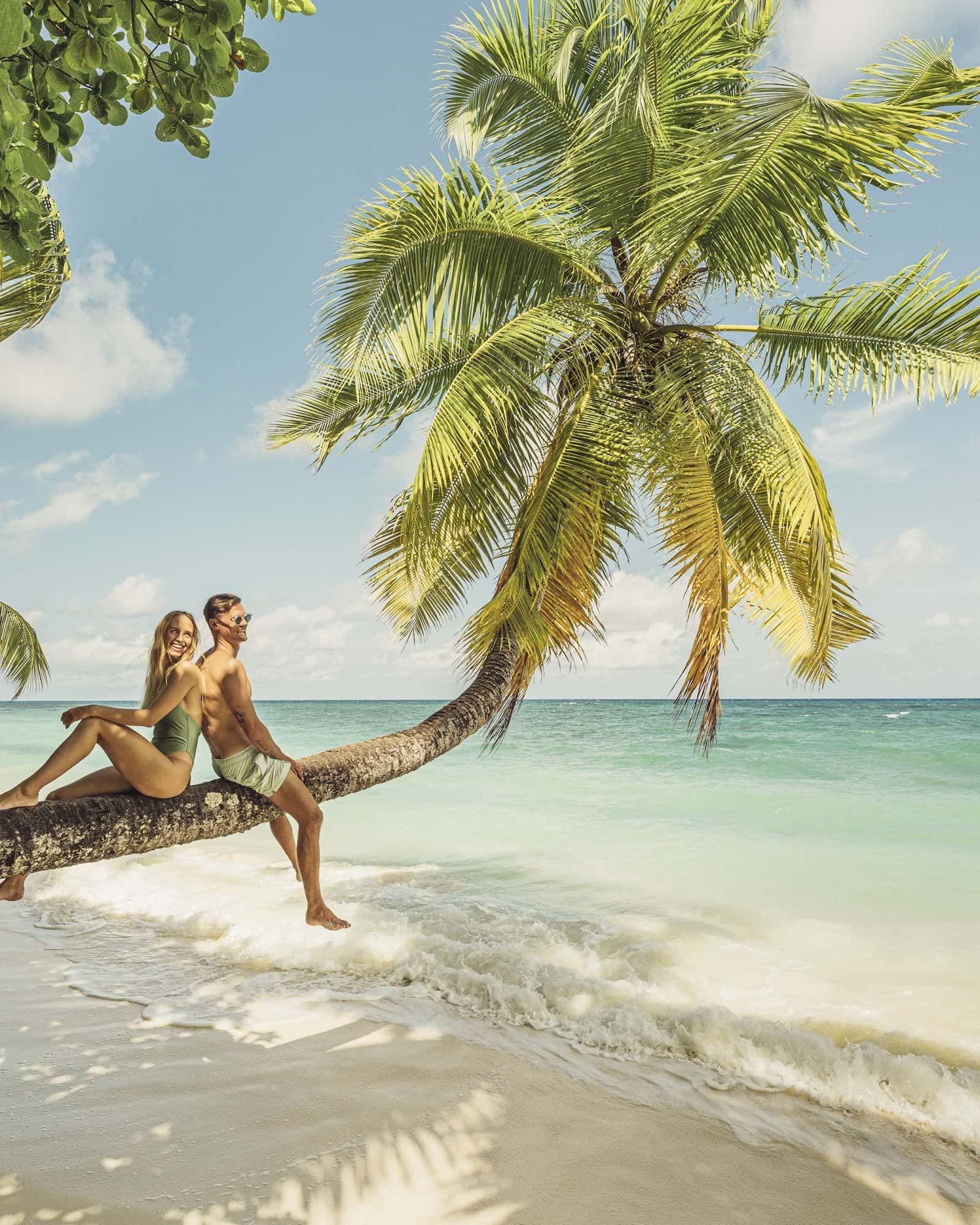
Because the Seychelles looks like a postcard and behaves like a nature reserve.
Each of the main islands has its own character. Mahé has the mountains, the Creole kitchens and Victoria, one of the smallest capitals in the world. Praslin has the coco de mer forest of Vallée de Mai. La Digue still gets around mostly by bicycle, on roads that lead to granite-framed beaches such as Anse Source d’Argent. Around them, smaller islands and marine parks hold seabird colonies, tortoises and reefs, with far fewer people.
This isn’t just about lying on a beach. On the Inner Islands, the land falls fast from mist forest on the peaks, past steep slopes of palms and bare granite, to smooth boulders on the sand and coral reef a short swim offshore. Below the waterline, seagrass meadows and coral shelter turtles, rays and reef fish, while further out, the Outer Islands trade convenience for isolation. Aldabra, more than 1,000 km from Mahé, is the most remote of all, protected for its wildlife rather than its visitors.
It’s also a few hours’ flight from Johannesburg and Nairobi, so it fits naturally at the end of a mainland safari. (Keep the binoculars for the birds, but pack goggles for the fish.)
The regions
Seychelles
The three main granitic islands — Mahé, Praslin and La Digue — are where most visitors start, and each one adds something the last didn’t.
Seychelles
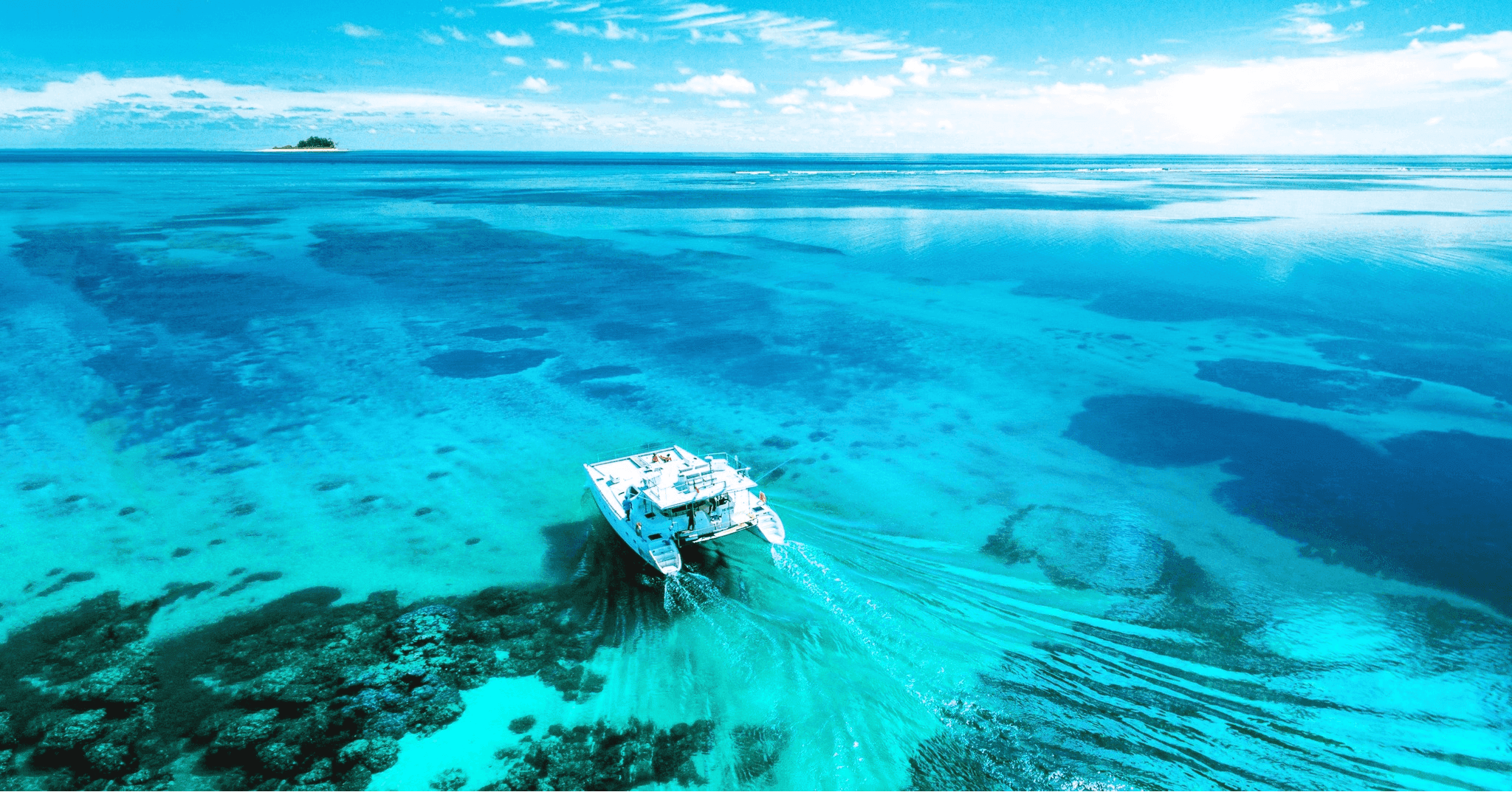
Beyond the granite lie the coral islands: low rings of palm-fringed white sand, scattered over hundreds of kilometres and reached by small plane or boat. The water shifts from cream over the sand flats to mint in the shallows and bright blue at the reef edge.
On the map
How the country sits alongside its neighbours, and the gateways that link a multi-country journey.
View interactive mapEvery trip is tailored
Starting points, not itineraries. A sense of pace, pairings and possibility.
9 nights
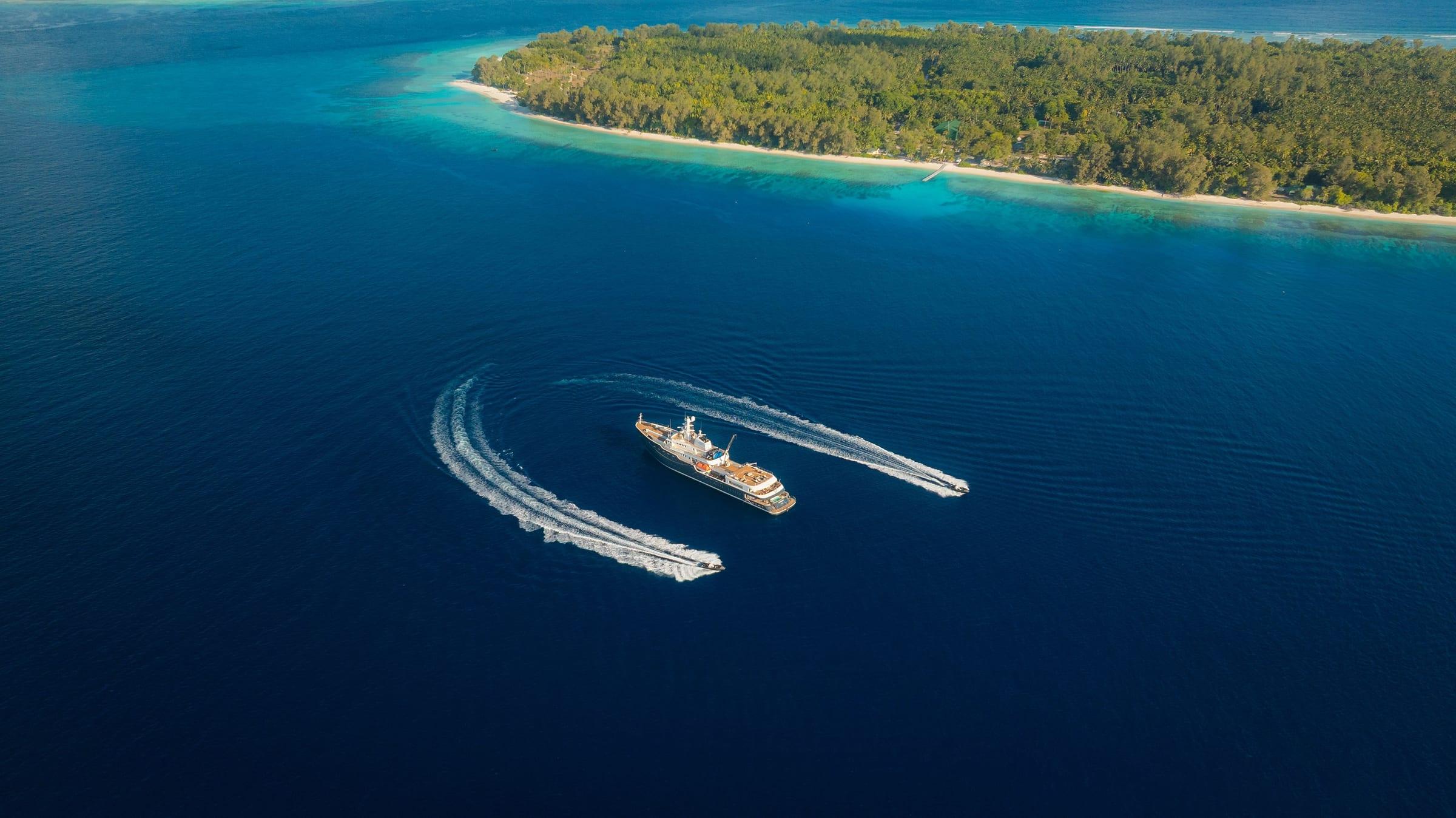
Nine nights aboard Aqua Lares through the Seychelles outer islands. Aldabra, Cosmoledo, Astove, Farquhar and Alphonse on a private-yacht expedition.
View itinerary: Sailing the Sapphire Isles (opens in a new tab)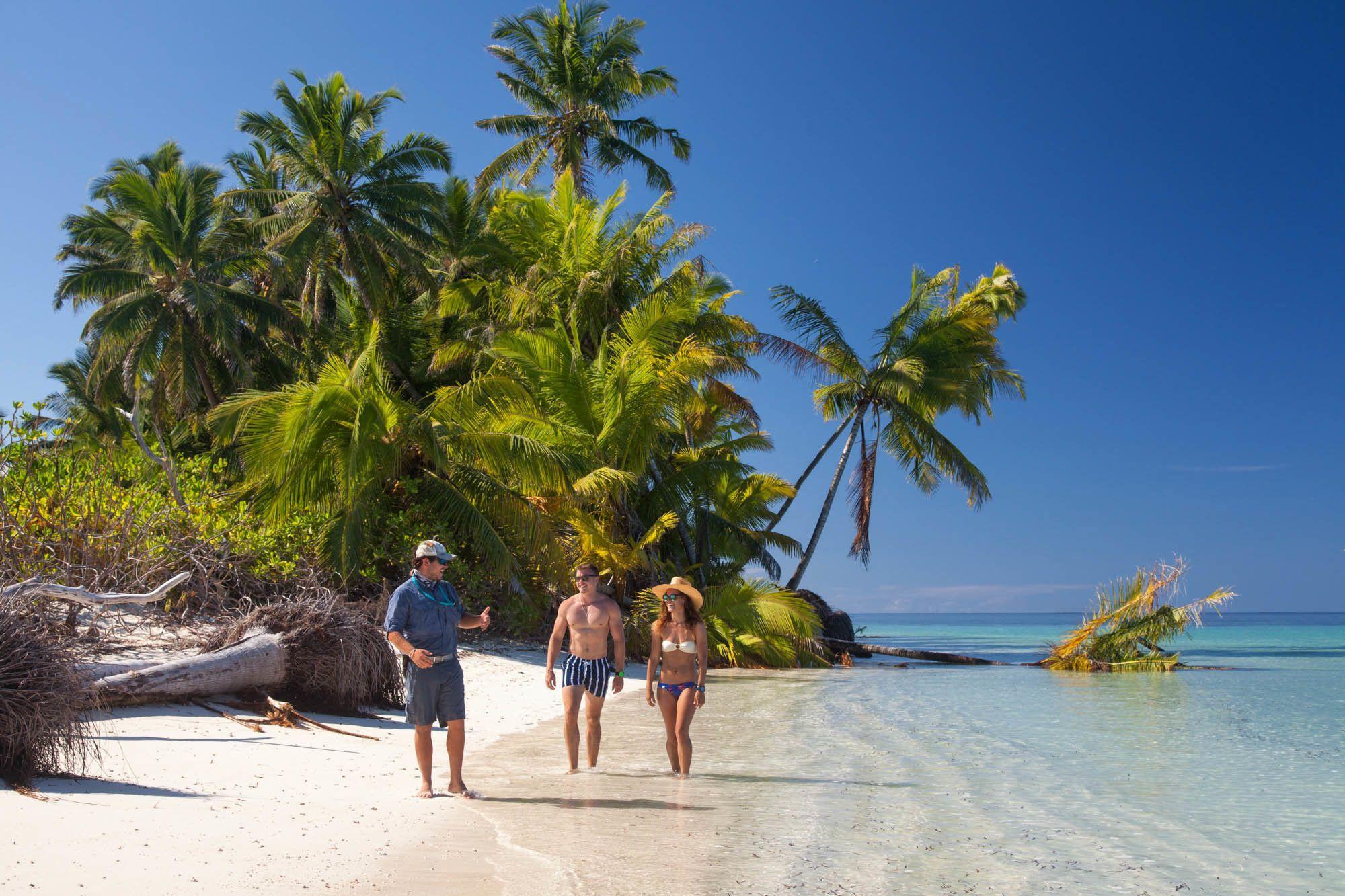
8 nights
A night at L’Escale on Mahé, then a week on Alphonse in the Outer Islands. A remote atoll of flats, bonefish and untouched reef.
View itinerary: Untouched Alphonse Island (opens in a new tab)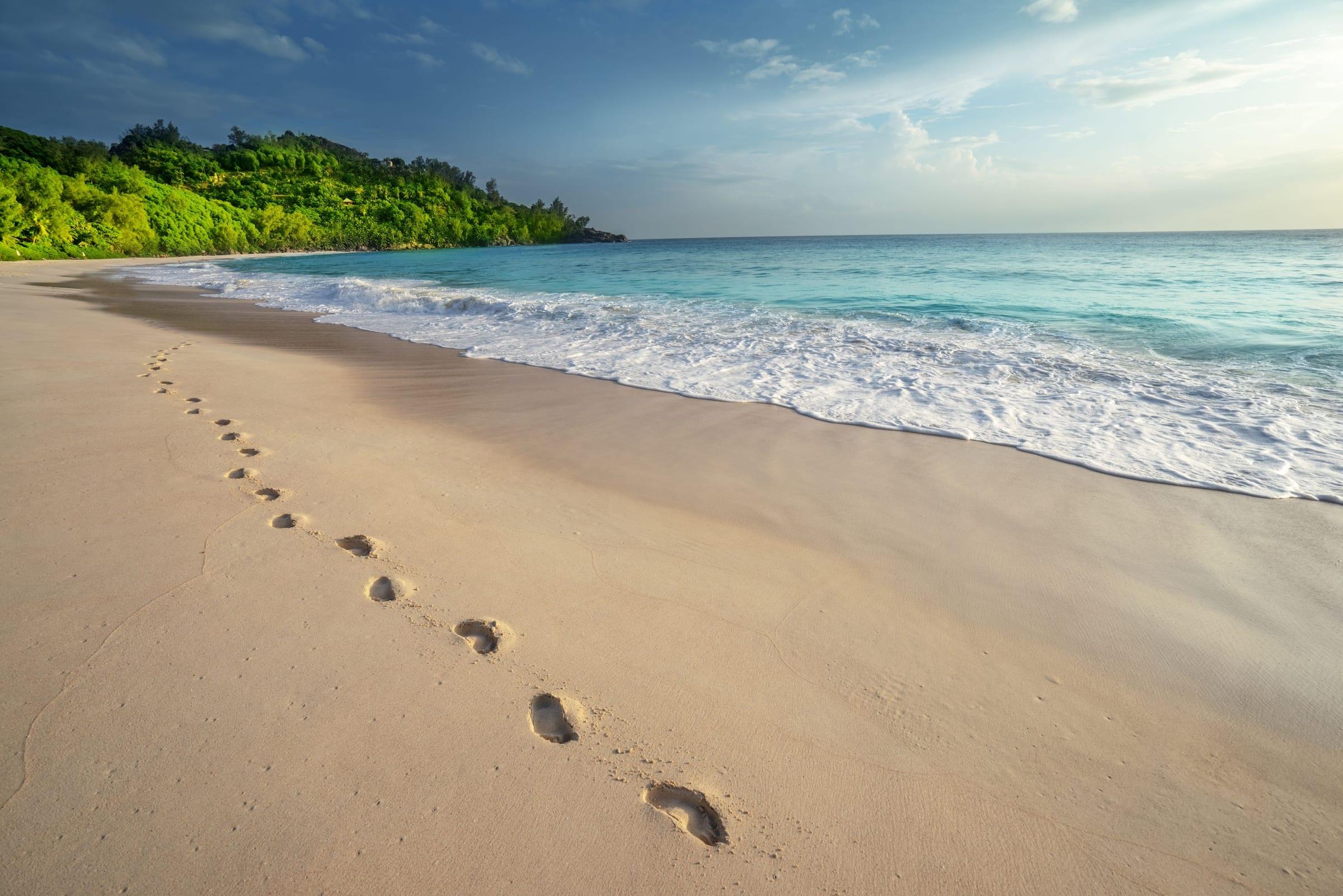
8 nights
Four Seasons on Mahé and Six Senses Zil Pasyon on Félicité. Granite peaks and quiet coves across two of the Inner Islands’ most distinctive stays.
View itinerary: The Art of Island Living (opens in a new tab)Guest Stories
Carola — We are still reminiscing about our trip most days, especially the kids. Willem just LOOOOOOVED the Safari and keeps asking to see the videos again and again. Beyond the fabulous agenda, your continued service — always checking in — as well as the surprise boxes of gifts and food were real highlights. I truly felt you cared and wanted to make this a special holiday for us, and it translated perfectly.
Henrike & family
Cape Town, Greater Kruger & Seychelles — April 2025
Start the conversation
We have travelled every region. Tell us who is travelling and what you hope to see, and we will build the journey around it.
Start planning