
Safari Giants
Zimbabwe landscape

Southern Africa

Zimbabwe

Wild, walkable and warm — Africa, reclaimed.

Zimbabwe changes character from one corner to the next.

Tea estates climb the misty Eastern Highlands, granite boulders balance across the Matobo Hills, and Hwange’s teak woodland grows on deep Kalahari sand. In the north, the Zambezi drops over Victoria Falls, Mosi-oa-Tunya, “the smoke that thunders”, and spreads across the floodplains of Mana Pools; in the southeast, dry thornveld runs out at the red Chilojo Cliffs of Gonarezhou.

  • 500M/ Min

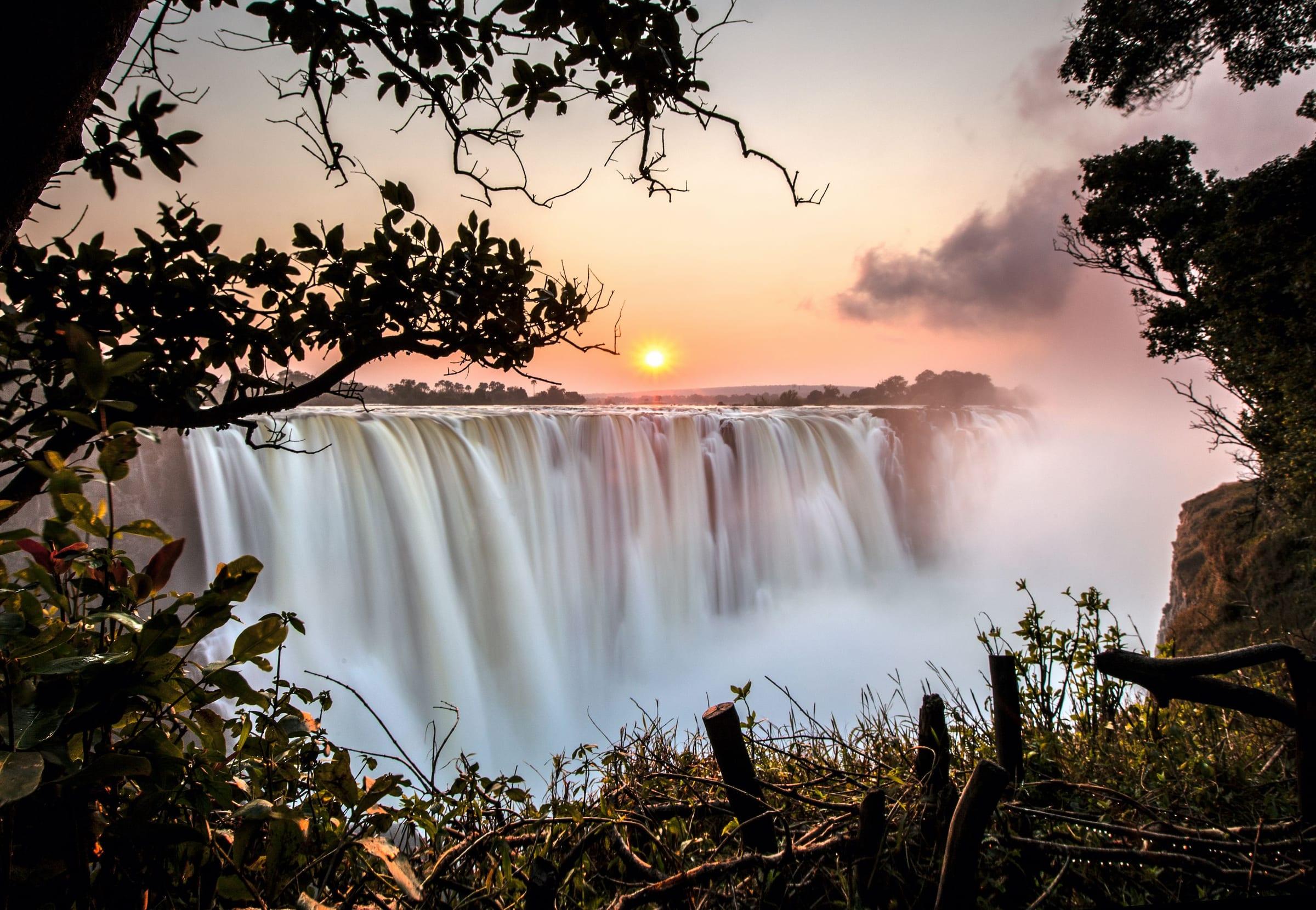
    litres of water pour over Victoria Falls at the flood peak along a 1,708-metre front — the largest single curtain of falling water on Earth, and a UNESCO Site.

  • 13%

    of Zimbabwe lies within national parks and protected areas — around 5 million hectares. Hwange, the largest, covers roughly 14,600 km².

  • 45,000

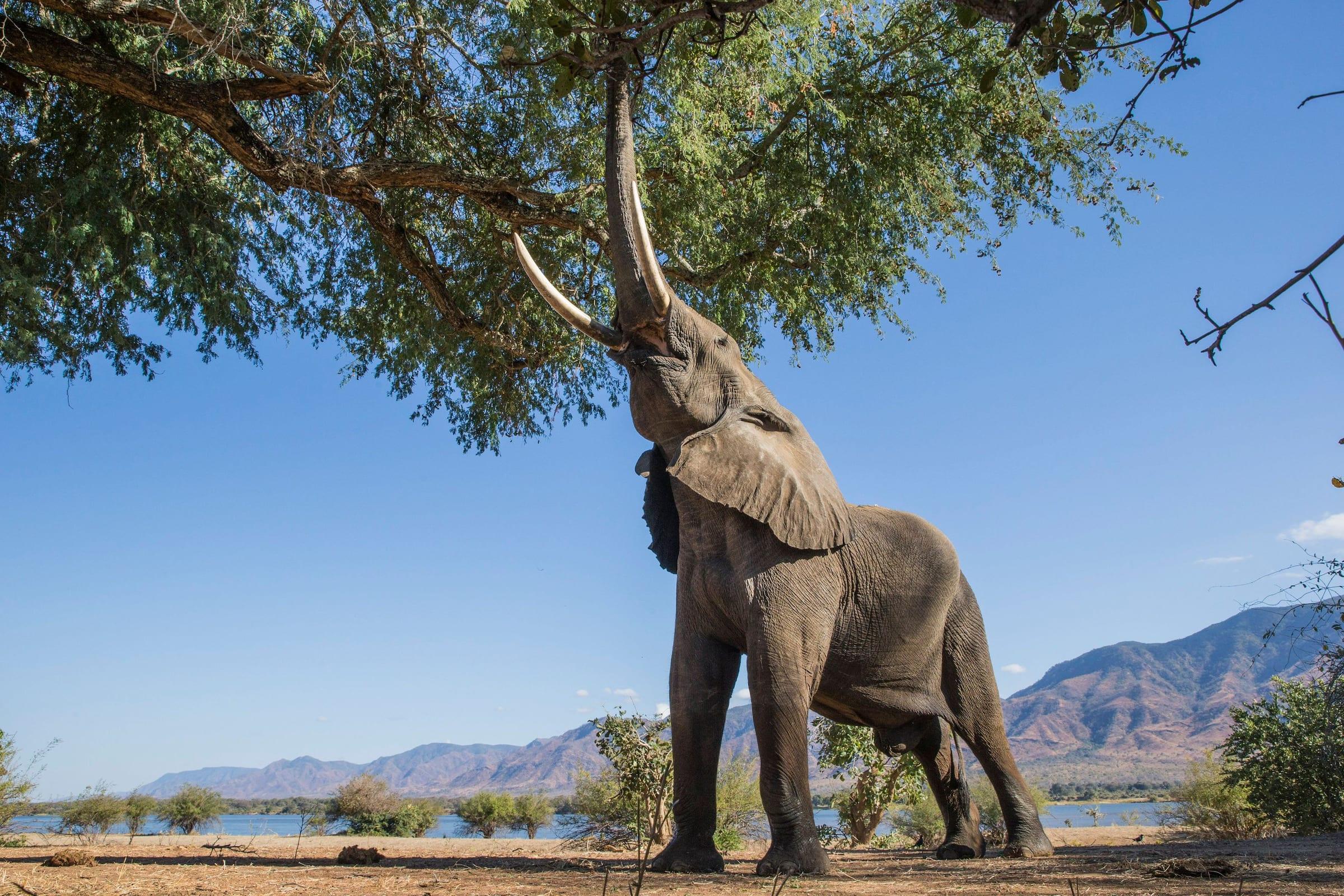
    elephants in Hwange alone — Africa’s second-largest elephant population after Botswana. Herds move freely across the border as part of the KAZA area.

  • 2,574km

    of Zambezi River, from north-western Zambia to the Indian Ocean. Along much of Zimbabwe’s northern border, the river is the border.

  • On Foot

    before leading walking safaris, Zimbabwe’s professional guides complete a long apprenticeship, written exams and a proficiency test in the bush.

  • 5,000km²

    of Gonarezhou — Zimbabwe’s second-largest national park, part of the Great Limpopo Transfrontier Park that links it with Kruger and Limpopo.

Zimbabwe landscape

Why go

Why Zimbabwe

Because here, a single trip can take you from the roar of a waterfall to the hush of the Lowveld.

At Victoria Falls, a rainforest grows in the spray, and the path along the edge of the gorge leaves you soaked and grinning. In Hwange, lions, wild dogs and buffalos share the open plains with the elephants. Along the Zambezi at Mana Pools, the safari slows to the pace of footfalls or a paddle, past hippos in the shallows and elephants crossing the plains.

Further south, Malilangwe and Gonarezhou feel older and quieter, with baobabs that have stood for more than a thousand years, San rock paintings in the sandstone, and black rhino moving through the mopane.

Wherever you go, you’re part of the landscape rather than looking in on it. Zimbabwe generously offers you the opportunity to explore its wild spaces with all your senses.

The regions

Where to Go in Zimbabwe

Victoria Falls

Zimbabwe

Victoria Falls

Victoria Falls is one of the world’s most famous waterfalls, and a natural place to begin or end a Zimbabwe safari. The path along the Zimbabwean side winds through a rainforest that lives entirely on the spray of the water, past viewpoints with thrilling names: Devil’s Cataract, Boiling Pot, Rainbow Falls and Danger Point, to name a few. In the wet months, the spray comes at you sideways, upwards and all at once, with rainbows hanging in the mist just ahead.

Hwange National Park

Zimbabwe

Hwange National Park

Hwange is Zimbabwe’s largest national park and home to one of Africa’s great elephant populations. It covers the country’s north-western corner, on the edge of the Kalahari, where mopane woodland opens onto grasslands and scattered seasonal pans.

Mana Pools National Park

Zimbabwe

Mana Pools National Park

Mana Pools is one of the most remote parks in Southern Africa, and one of the few where walking is allowed throughout the park. It lies on the southern bank of the Zambezi, reached by a long gravel road down the escarpment. There are only a handful of camps and no fences, and the whole park is a UNESCO World Heritage Site.

Malilangwe Wildlife Reserve

Zimbabwe

Malilangwe Wildlife Reserve

Malilangwe is one of Zimbabwe’s most important rhino strongholds. The private reserve lies in the south-eastern Lowveld on the western boundary of Gonarezhou National Park. The land was cattle ranches until the 1990s and has since been returned to wildlife and closely protected.

Gonarezhou National Park

Zimbabwe

Gonarezhou National Park

Gonarezhou is best known for the Chilojo Cliffs, a wall of red and cream sandstone that runs for kilometres along the north bank of the Runde River and turns deep orange in the late afternoon. Below the cliffs, the Runde winds across wide white sandbanks where elephants come down to drink and dig for water.

Zimbabwe landscape
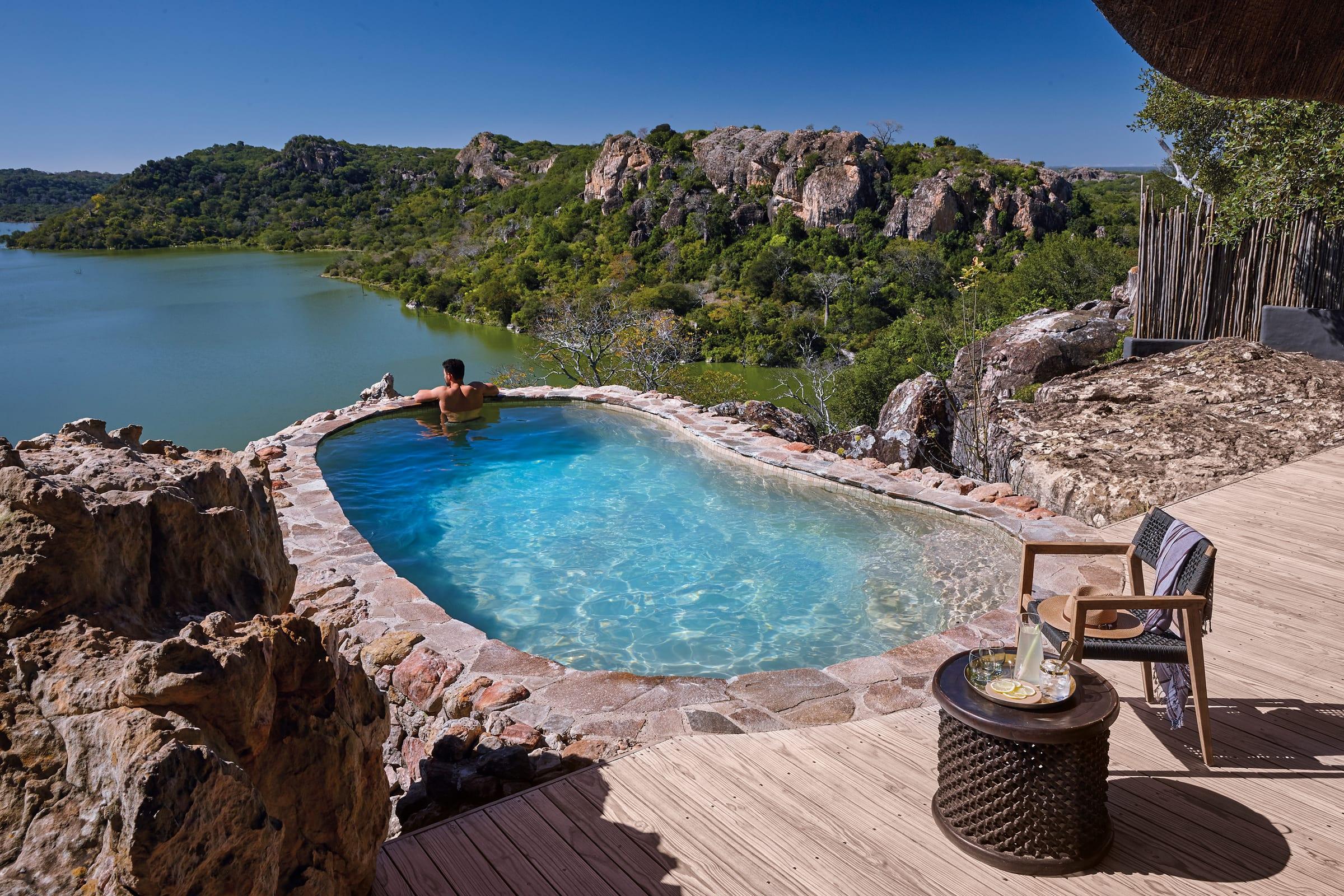
Singita Pamushana

On the map

Zimbabwe in the Region

How the country sits alongside its neighbours, and the gateways that link a multi-country journey.

View interactive map

Every trip is tailored

Safaris Through Zimbabwe

Starting points, not itineraries. A sense of pace, pairings and possibility.

Guest Stories

Safari Giants have been amazing from start to finish. Incredible planning and suggestions when creating our itinerary. Annie and Tania went above and beyond expectation during the entire process.

Bev & Charlene

Vic Falls & Hwange — May 2026

Start the conversation

Talk to us about Zimbabwe

We have travelled every region. Tell us who is travelling and what you hope to see, and we will build the safari around it.

Start planning